


KAMI SKINCARE BLOG

How I use KAMI SOS skin care oil
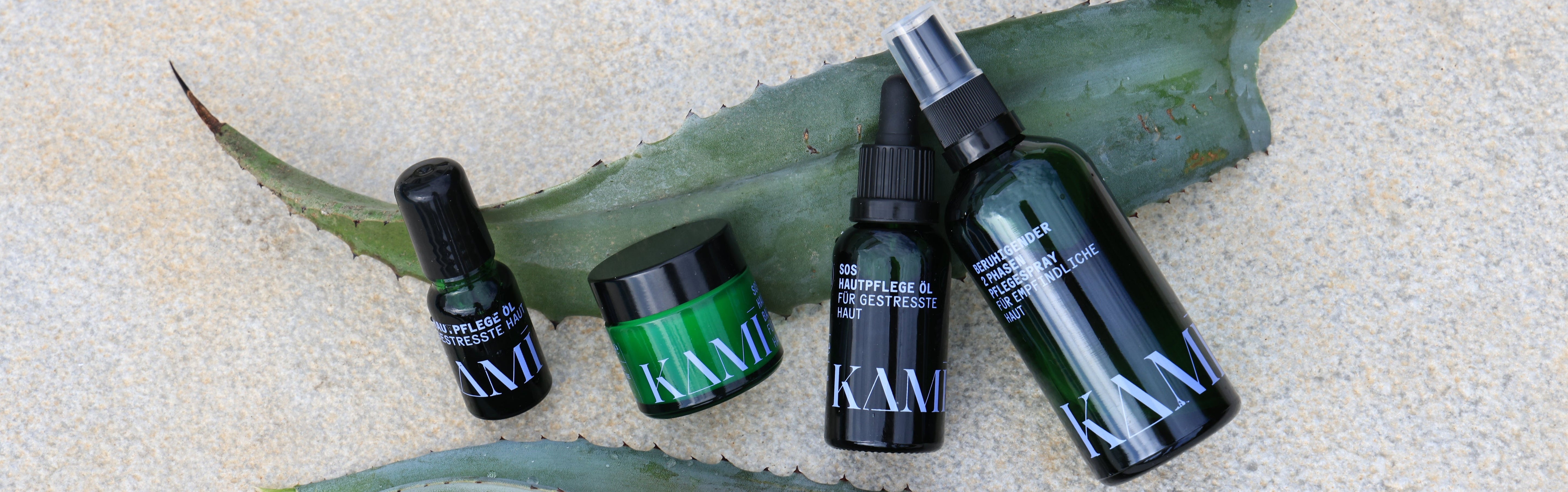
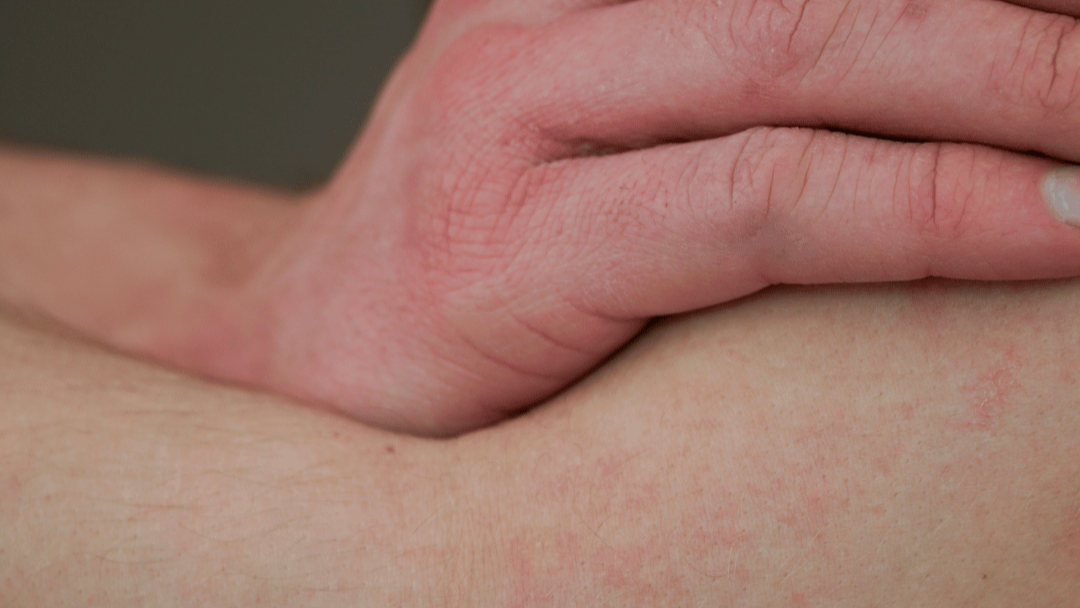
We receive many inquiries from people interested in our KAMI skincare products and want to know if they're suitable for their problem. Today, we'd like to share with you a review from KAMI skincare partner Elisabeth. She's been a KAMI fan since day one. Hello, my dears. I'm getting in touch with you today. May I briefly introduce myself? My name is Elisabeth. Among other things, I'm the legal advisor at KAMI; in a previous life, I was a lawyer. Now I'm the mother of four lively boys (12, 12, 11, and 7) and a partner at KAMI. When my friend Kerstin told me about “her miracle cure called Kami” a few years ago, I was immediately enthusiastic. Since my children were born, I've tried to cure their various aches and pains with home remedies whenever possible. So, chest compresses with onions, honey milk, and arnica cream instead of cough syrup and paracetamol. And I've actually had pretty good results with them! That's why I was very interested in Kerstin's miracle cure with marmot oil, especially because two of my children had severe atopic dermatitis rashes on the backs of their knees, the insides of their elbows, and their thighs. When I started treating the areas with the oil, they soon felt better. So, it was no question that I said yes when Kerstin asked me to participate in the "professionalization" of KAMI. Now, of course, I use KAMI products extensively. The family favorite – especially now in winter – is the balm. It brings my chapped hands and red, runny noses back to perfect condition; my husband rubs it on his dry lips while skiing, and one of our sons secretly uses it as a skin cream. The KAMI SOS Roller is always with me for minor aches and pains on the go. So, if my little one gets bitten by an ant while out and about and thinks he can't go any further, I pull out my KAMI Roller and magically make everything disappear. The magic also works on minor burns, mosquito bites, athlete's elbow, and even growing pains. I mix the KAMI SOS oil into my foot cream, especially in winter, and into my sunscreen when skiing to make it a little richer. My husband, on the other hand, rubs the oil onto his face immediately after shaving, which reduces his ingrown hairs and red patches on his cheeks and chin. The unique thing about KAMI, the marmot oil, is that it's a truly versatile miracle cure. My mother used it on her surgical scars, so I'd been familiar with it for a long time, but had forgotten about it. Besides, my mom's bottle of oil was smelly and unsightly. KAMI skincare is so successful for me because it draws on our traditional natural remedies, but smells good and looks beautiful, too. As you can see, the range of applications for KAMI products is quite broad, and we also regularly receive reports about new applications. Where do you use KAMI? Write to us; we'd love to hear about your experiences and send you before/after photos. Best regards Elizabeth
Learn more
Skin care in winter
Even though this winter has been very mild so far, it's still a challenge for our skin. The temperature differences between indoors and outdoors, the dry air from heating, and especially the dry air are taking their toll on it. Today, Dr. Kerstin Schallaböck, general practitioner, mother of four, and founder of KAMI skincare, tells us what we can do to keep it healthy through the winter. "When we are exposed to extreme cold, the body reduces blood flow to the skin to conserve body heat for our organs. Reduced blood flow also reduces oxygen and nutrient supply, and the skin's metabolism slows down. This also reduces our skin's sebum production, and our skin is less protected from drying out. Dry skin becomes brittle, which causes further moisture loss. Heating air aggravates the situation. The skin feels tight, itchy, red, and flaky. Children's skin already produces less sebum, and their skin is thinner and therefore even more vulnerable. Protection is important, even if children don't like applying sunscreen. What should you consider when caring for your skin in winter? It's about two things: first, we need to provide our skin with sufficient moisture and second, we need to ensure that this moisture is not lost and that it doesn't dry out. Add moisture: Even in winter, your skin needs moisturizers or serums. Of course, you can also prevent the evaporation of absorbed water by applying body or facial oils immediately after bathing or washing. You should also make sure you drink enough water, even in winter. Maintain moisture: To reduce so-called transepidermal water loss, the skin should be protected with moisturizing products. Occlusion—covering—creates a barrier that prevents moisture from evaporating. In this context, numerous media outlets are currently discussing the so-called "slugging" This involves applying a thick layer of greasy cream to the face; Vaseline is often recommended. Vaseline is a mineral oil product, and although it is, of course, completely pure and harmless to health, our skin cannot function with it, so it doesn't benefit from it. Any natural oil is more valuable to the skin, as it supplies fatty acids and nutrients. This thick layer of fat retains a lot of water in the skin, preventing it from evaporating. This can be beneficial in cases of extreme stress and very dry skin, but normally a lot ends up on clothing and bedding. KAMI SOS Skin Care Oil contains linoleic and linolenic acids, which are very similar to the composition of our skin, as well as a variety of nutrients and trace elements that further soothe and balance the skin. If you're planning on exercising or playing outdoors, KAMI SOS Balm is even better. It also contains shea butter, beeswax, and plant-based linolenic acid, making it an ideal product for slugging. In addition, in winter it is important to bathe or shower properly: The water shouldn't be too hot—around 35 degrees Celsius is good—and you should avoid drying soaps and anything that further stresses the skin's pH. pH-neutral cleansing products, such as KAMI Wash Fluid, are ideal. Problem skin in winter: People with atopic dermatitis/atopic dermatitis suffer more from flare-ups in winter because their skin dries out even more easily. Preventative measures should be taken with skin barrier-strengthening products that improve skin's resilience. If dehydration can be prevented, the tendency to inflammation also decreases. Water-in-oil emulsions or oils are very suitable, and KAMI SOS Skin Care Oil and KAMI SOS Balm also provide ideal support and soothing. With this in mind, I wish you happy holidays Yours, Kerstin Schallaböck
Learn more
Skin barrier and skin microbiome
We read everywhere about the health of the skin barrier and the skin microbiome, but what do these terms really mean, and what do they mean for us? How can I do something for healthy and beautiful skin without delving into the medical details? This is especially interesting for people with skin problems such as atopic dermatitis (the medical term for neurodermatitis), but also for those who suffer from very dry, slightly reddened skin. Dr. Kerstin Schallaböck, a general practitioner with a practice in Vienna, mother of four, and founder of KAMI skincare, provides a few simple explanations and tips on this topic. "I'm a general practitioner, not a dermatologist, but in my practice, I'm always dealing with skin problems, as many health problems are visible through the skin. My youngest son's atopic dermatitis also led me to become intensively involved with the topic of skin. This was also the reason for developing KAMI SOS Skin Care Oil, as I couldn't find any skincare products that truly contributed to long-term skin health. Now it gets briefly medical: We know that, simply put, the skin is made up of three layers. As our largest organ, it has an important barrier function: The skin protects us from dehydration, temperature fluctuations, UV radiation, germs, and much more. Only the top layer (epidermis) is accessible to skincare products; it also forms the so-called skin barrier. Only there can something be done to prevent skin dehydration, also known as transepidermal water loss. Our skin has a natural protective layer, the skin microbiome. Although this is not part of the skin, it is essential for skin health. It is a unique protective layer of microorganisms that work symbiotically to defend against harmful germs. Research is still in its early stages of fully understanding the connections. But one thing is already clear: too clean is not good. As skin cells migrate from the lower layers upward, they adhere to one another, bonded together by lipids. This epithelialization should be as uniform as possible to provide reliable protection. Plant extracts such as calendula can support this process. If the skin barrier is not strong enough and therefore permeable, significant water loss occurs. The skin initially feels rough, redness and itching develop, and eventually, germs can become active and trigger inflammation. How can you strengthen the skin barrier? Fats and fat-soluble active ingredients—especially those from plants—penetrate the stratum corneum more easily than water-soluble substances, so fats are beneficial. If these actively contribute to epithelialization, the skin barrier can be repaired. At the same time, those affected need to take action against inflammation, especially in cases of atopic dermatitis. This is where the skin microbiome comes into play again: Healthy skin isn't "germ-free and clean," but, like our gut, is populated by a healthy microbiome. There, "good" germs help keep the bad ones in check. Therefore, children who grow up on a farm in the countryside are less likely to have skin problems. Their skin has learned to defend itself from the very beginning. To maintain the skin's ability to defend itself, you should avoid overdoing it with cleanliness, use pH-neutral cleansing substances, and, above all, focus on natural skincare. Good quality is more important than quantity. And this is where our KAMI skincare products come into play: My first product, the KAMI SOS skin care oil, is particularly good for skin with impaired skin barrier function in two ways: Firstly, it nourishes inflamed skin and secondly, it strengthens and repairs the skin barrier function. KAMI SOS Skin Care Oil works thanks to our unique combination of natural oils. Marmot oil, used for centuries to treat various inflammatory problems in joints and skin, contains a natural combination of corticosteroids. These corticosteroids, although only 1/80th the cortisone concentration of medicated creams, have a wonderfully soothing effect. The combination of linoleic and linolenic acids with our synergistic plant oils and extracts ensures that the active ingredients penetrate the skin and repair the skin's barrier. Patients with inflammatory rashes should also avoid overly thorough washing and, above all, conventional soaps. However, our KAMI Wash Fluid is perfectly suited for eczema-prone skin, as it is highly moisturizing and pH-neutral. In cold weather, skin needs to be protected against micro-frostbite: Water in our skin, or in moisturizers and serums, can freeze and cause redness. Applying an additional layer of oil or adding a few drops of KAMI SOS Skin Care Oil to your regular daily moisturizer can help the skin significantly. With this in mind, I wish you a good start into the winter Yours, Kerstin Schallaböck
Learn more
Naturally support the skin barrier
Skin problems are becoming increasingly common, especially among children. For example, between 10-15% of infants and toddlers are affected by atopic dermatitis, aka neurodermatitis, 20% of whom experience severe symptoms. Even if only 3-10% of those affected persist with the problem into adulthood, the suffering for children and their parents is still significant. For Dr. Kerstin Schallaböck, general practitioner and mother of four, the suffering was so great that she decided to search for natural remedies herself. Here, she explains why strengthening the skin barrier is important and how the ingredients in KAMI skincare contribute to this. "Even if anti-inflammatory therapy is the primary focus during an acute flare-up, strengthening the skin barrier is essential as basic therapy. There are studies that show that daily, non-drug-based care can reduce eczema flare-ups. Pharmacies offer a variety of products; I prefer purely natural skincare components, like those I use in KAMI skincare. Below, I would like to introduce some of our ingredients and their effects. What ingredients do we use for KAMI skincare? The Marmot oil We've already covered its effects in detail in our blog. Let us reiterate that marmot oil not only has anti-inflammatory properties but, thanks to its linoleic and linolenic acids, also strengthens the skin barrier. Therefore, it's IDEAL for the care of eczema-prone skin! - Contained in our SOS Oil, SOS Balm, and 2-Phase Spray. Grape seed oil It has been used for skin care since the Middle Ages. It contains a high content of lecithin, which is also found in our cell membranes. Lecithin contributes to strengthening the skin barrier and has a moisturizing effect. Grape seed oil also contains a high amount of linoleic acid, which contributes to wound healing through improved cell renewal and cell protection. - Contained in our SOS Oil and 2-Phase Spray. Rice germ oil Contains gamma oryzanol, which, in combination with tropocerol (vitamin E), also contained in KAMI, acts as an antioxidant, thus reducing light/sun damage to collagen fibers. Its phytosterols strengthen the skin barrier and soothe sensitive skin, providing deep moisture and calming itching. - Contained in our SOS Oil, SOS Balm, and 2-Phase Spray. Olive oil It is very similar to skin sebum; this oil has also been used in skin care since ancient times. It has pain-relieving and regenerating effects, as well as a warming effect, which is why it is only used in small doses in KAMI. It is contained in our SOS Oil, SOS Balm, and 2-Phase Spray. The essential oil of Tanais Annuelle , a relative of chamomile, contains high levels of chamazulene, which has moisturizing, anti-inflammatory, and soothing properties. It inhibits free radicals and strengthens the immune system, even in cases of itchy allergy symptoms. Its earthy, floral scent also has a stress-reducing effect. - Contained in all KAMI skincare products. Carrot seed oil It has a clarifying effect and stimulates cell regeneration. It is highly nourishing and soothing, even for mature and irritated skin. Its carotol also protects against infections. - Contained in all KAMI skincare products. Unrefined Wheat germ oil is an excellent active ingredient oil that works deep down. It is very good for mature and barrier-damaged skin, as the tropocerols and carotenoids improve circulation. Its unsaturated fatty acids make it a good free radical scavenger, while vitamins A, E, B, and D, as well as trace elements, nourish and replenish stressed skin. - Contained in our SOS Oil, SOS Balm, and 2-Phase Spray. Shea butter, A fat from the shea nut, it is traditionally harvested by hand by women in Africa and has a highly moisturizing effect. Its unsaponifiable fats also have a soothing effect and strengthen the skin's lipid mantle. It is very well tolerated even by irritated, sensitive skin. - Contained in our SOS Balm. The Organic Aloe Vera, The active ingredient in our 2-Phase Spray has many beneficial effects: it's known to provide moisture, soothe, and reduce inflammation. What's less well-known is that it also contains enzymes, minerals, polysaccharides, vitamins, and antioxidants, making it a true powerhouse for sensitive, dry skin. Copaiba Balsam is sustainably harvested from the evergreen Copaifera trees in the Amazon region. Only 1-2 liters are taken from the tree per year. This balm has long been used by indigenous peoples to treat a variety of skin problems. It is highly valued for its anti-inflammatory properties and is ideal for sensitive, barrier-damaged skin in need of care. - Included in our Cleansing Fluid. That was just a small sample of the natural treasures we've packed into our KAMI products. Thankfully, nature gives us so many wonderful ingredients. I'll introduce you to the others in future blogs! Until then - stay healthy Yours, Kerstin Schallaböck
Learn more
Home remedies for strengthening the immune system and for colds
Today we'd like to write about a very topical topic, because even in the practice of our founder, Dr. Kerstin Schallaböck, we can feel that a wave of colds is currently sweeping over us. But what can you do preventively? How can you protect yourself and your family from colds? And what can you do when you get a cold without immediately resorting to the entire pharmaceutical industry. Below, Kerstin Schallaböck, general practitioner, mother of four, and founder of KAMI skincare, shares her tips. She's always relied on home remedies and believes that when it comes to a cold, you shouldn't use a sledgehammer to crack a nut. "The cold wave hit us particularly early and hard this fall. In principle, there's nothing wrong with children getting a cold now and then: their immune systems can practice and develop. This guarantees greater resistance than adults. But here are some tips to avoid colds: Avoid sweating and freezing; clothing appropriate for the temperature is especially important for children at this time of year. It may still be cold on the way to school or kindergarten, but by lunchtime it can be very warm. Allow your child to individually adjust their clothing to their personal temperature sensitivity by wearing several thin layers. The child should neither freeze nor sweat! Neither "tests of courage" (who can wear shorts to school for a long time) nor overcaution (leave the hat on!) are appropriate. Putting warm winter shoes on your child too early is particularly bad because they then tend to take everything off and cool down to compensate for their sweaty feet. Vitamin-rich foods prevent disease; dark green leafy vegetables, 100% fruit and vegetable juices, and colorful vegetables are especially rich in enzymes. Pulses and whole grain products also provide healthy carbohydrates. Selenium, an important trace element for the immune system, is found in eggs, Brazil nuts, liver, cod, and tuna. Avoid sugar, processed foods, and, of course, alcohol. Propolis or Aconitum napellus C30 globules can strengthen the immune system. Get some exercise in the fresh air. Any kind of exercise strengthens the immune system, and nature helps too. You don't have to be a fan of "forest bathing"; even a traditional autumn walk among the colorful leaves is good for the body and soul. Most of us find wearing a mask annoying, but it also offers protection against colds for vulnerable groups. Therefore, it's worth considering whether wearing a mask is a sensible precautionary measure in crowded places or on public transport. If it does happen to the children or us, here are my tips. I 'm not alone in the belief that coughs and colds don't always necessarily require medical treatment. We and our children don't always have to be functional and fit; sometimes the body "allows" itself to be sick and restless. However, if the symptoms are severe, such as shortness of breath, pain when breathing, or a high fever that lasts for days, medical evaluation is obviously necessary. Coughing is a symptom of something irritating the respiratory tract , be it mucus or pathogens. For a simple cough, tea, water or hot milk with honey helps to relieve the cough reflex due to its thinning effect. If you want to do something “against” the cough, there are several herbal remedies (phytopharmaceuticals) that can be used: A mixture of marshmallow, ribwort plantain, and thyme syrup; any pharmacy can mix this. Thyme tea has an expectorant and soothing effect. Marshmallow tea, a blend of leaves and roots, is especially effective in soothing coughs. Ivy leaf tea can also be used to relieve cramps and mucus, but is not recommended for children. Inhalations are calming, inhalations with eucalyptus oil can ease expectoration and have an antispasmodic effect. Good old spruce tip syrup from Grandma's kitchen has a calming effect and is also enjoyed by picky children. Rubbing eucalyptus balm or other vaporizers on the chest can have a soothing effect on the respiratory tract and ease coughs. The soothing caresses are also soothing for the soul. A hot water bottle enhances the effect. Increased temperature Its purpose is to kill germs. Rapidly reacting with fever-reducing medication is counterproductive, as the germs can remain in the body. Let your child "break down" their fever to a certain degree. Every child has a very individual temperature, which is still normal. If the child begins to appear apathetic, must You have to reduce the fever, otherwise you'll become dehydrated and your circulation will be impaired. The following natural remedies have a fever-reducing effect: Elderflower tea has a diaphoretic effect and also promotes bronchial secretions. You can also mix elderflower and linden blossom 50/50, flavored with honey or lemon. Calf compresses (please use ONLY on warm feet!): Moisten cloths with lukewarm water and wrap the calves from the ankle to the knee, covering with a towel. Reapply twice after 10 minutes, then rest for 30 minutes. Abdominal compresses are also suitable for very young children. Sweating treatment (from age 5!): Take a bath with increasing water temperature and drink a hot fever tea at the same time or as soon as possible afterward. Then, wrap yourself in warm blankets or towels and lie down in bed for 30 minutes. Ideally, the head, through which a significant portion of the heat exchange takes place, should also be covered. If the tonsils are swollen, Apis D6 globules can also help. Runny noses are, of course, one of the most unpleasant companions of a cold. Here, too, the secretion is the body's means of removing germs. Therefore, decongestant nasal sprays should only be used at night to ensure uninterrupted sleep. During the day, please use seawater sprays or hyaluronic acid sprays for soothing relief. The following tips can make life easier for people with runny noses: decongestant inhalations with e.g. eucalyptus oil or sea salt; Use good tissues, which rub less and protect against sore noses; As a preventative measure, rub KAMI SOS Balm on your nose and lips. It protects against chafing and soothes the skin. If your nose is already sore, simply apply it after each nose blow to allow the skin to heal. I hope my advice helps you get through the fall well! Stay healthy Yours, Kerstin Schallaböck
Learn more
School, health and skin
Parents of children suffering from eczema or atopic dermatitis are familiar with the phenomenon: Skin problems aren't a concern during the holidays, but as soon as autumn and school arrive, the skin starts to itch, and the search for the right remedy begins. Today, Dr. Kerstin Schallaböck, general practitioner, mother of four children, and KAMI skincare founder, together with her business partner, Dr. Elisabeth Riccabona, herself a mother of two children suffering from atopic dermatitis, is investigating this connection: " School and learning occupy a central position in our children's lives. They experience this time of growing up on several levels: emotionally, but of course also physically, with all of their senses. The skin is our largest sensory organ, our protective shield, our barrier to the outside world. It protects us from bacteria, heat and cold, as well as from dehydration and UV rays. But sometimes this barrier breaks down. We may be able to hide our innermost thoughts from those around us, but not from our skin. It is like a mirror for internal and external influences and this is often the case with children who are prone to neurodermatitis and eczema. These symptoms are often even more pronounced when stress comes into play. It's impossible to predict in advance how our children will react to school stress. This depends, among other things, on the child's personality and constitution. Everyone reacts differently to the demands of everyday school life. Overwhelm can manifest itself as follows: Anxiety and shyness aggressive behavior Hyperactivity silly behavior, keyword: recess clown, disrupting class refusal Difficulty concentrating Learning disorders stomach ache Headache Tiredness and exhaustion Sleep disorders We parents can, should, and should support our children on many levels. Here are a few things we've tried that might help you too: A healthy, balanced diet—even a snack can be delicious and healthy. Cooked vegetables, for example, aren't particularly popular in our area, but a raw vegetable plate with cucumbers, peppers, carrots, kohlrabi, etc. is readily eaten. Sufficient fluids, which includes water and tea; Sufficient sleep, although there should be no screen time before sleeping; A balanced leisure activity, preferably exercise in the fresh air @School: Allow enough time for homework, studying and relaxation; Show children what an ideal learning environment looks like (no cell phones, music or television); Prepare your school bag and clothes the night before; Allow enough time in the morning for breakfast and the journey to school, and get up earlier. If school is literally getting to you, these points could also help: Choose natural materials for clothing, bed linen and towels, ideally these are certified and free of problematic dyes; Wash bed linen and towels with detergent for sensitive skin, do not use perfumes or fabric softeners (vinegar can be used as a substitute); Observe whether your child reacts to certain foods with "blooming" and then adjust the menu accordingly. Junk food, chocolate, and spicy foods are prime examples. Take the pressure off: The child should always be sure of your love and know that the relationship is more important to you than school success; Do not shower or bathe with soap-based products, as these have an alkaline pH. Always use pH-neutral products that ideally also have a moisturizing effect, such as KAMI Wash Fluid. Apply cream to acutely itchy, inflamed areas 2-3 times daily, always before bedtime. KAMI SOS Oil or KAMI SOS Balm have proven effective. If the rash is severely inflamed, cortisone is often the only treatment option. But please don't use it for too long; Always carry a remedy with you when you're on the go, so you can get relief from acute itching and ease the situation. The KAMI roll-on is ideal. With this in mind, we wish you and your children a good start to the school year Kerstin and Elisabeth
Learn more
Small allergen with a big impact
The number of allergy sufferers has increased tenfold in recent decades. Currently, approximately 34 percent of the global population suffers from an intolerance that is usually merely unpleasant but sometimes life-threatening. Today, general practitioner, mother of four, and KAMI skincare founder Dr. Kerstin Schallaböck summarizes how allergies are triggered and how to ideally respond. Our lifestyle, which has changed dramatically in recent decades, is the reason for the increased development of allergies. Life has become safer and more convenient overall, but—this may sound strange given the COVID pandemic—our bodies lack the challenges posed by viruses and bacteria for which they are designed. This is how a harmless substance becomes an allergen - the factors briefly summarized: Our diet is becoming increasingly unhealthy: too few vitamins, nutrients and trace elements, lots of one-sided ready meals; We are often under stress even in childhood; Personal hygiene is often exaggerated; We are exposed to excessive levels of pollutants from substances to which our bodies are not evolutionarily accustomed. Especially since the beginning of the COVID pandemic, I've frequently observed that bodies overreact to what are essentially minor stimuli: the immune system is untrained. All of these factors make the body sick and thus contribute to an increase in allergies. While there is never a single cause for an allergy, several factors are usually involved in the development of allergic diseases. But all of these quite diverse factors have one thing in common: They overwhelm the immune system to such an extent that, over time, it begins to react completely inappropriately. The actual attack on these self-proclaimed allergens, also called antigens, would be quite unproblematic if it did not result in health damage and an extremely unpleasant allergic reaction for those affected. However, effects only occur upon the second contact with the allergen. This is particularly dangerous in the case of insect bites, as those affected believe there is no danger to them because “nothing happened” the last time. Included The new allergen is then recognized as such: The immune system subsequently produces so-called memory cells, whose task is to memorize the surface structure of the allergen. If the pathogen then invades the body again, the memory cells immediately alert the immune system to the invader, whereupon appropriate antibodies are promptly produced, which ultimately fight the allergen. There are various immunoglobulins, but immunoglobulin E (IgE) is particularly relevant in allergies. It is responsible for the development of type 1 allergies, which affects most allergy sufferers. Allergic individuals have pathogenically elevated levels of these antibodies in their blood, and they become active upon repeated exposure to an allergen. The antibody-antigen complex wouldn't normally trigger an allergic reaction if it didn't settle on special defense cells called mast cells. These cells produce and store inflammatory substances, primarily histamine. Mast cells are found in the mucous membranes (conjunctiva, nasal mucosa, bronchial mucosa, intestinal mucosa) and in the skin. Therefore, typical allergic reactions occur precisely in these regions. Redness and swelling of the skin and/or mucous membranes occur. At the same time, severe itching occurs, which may also feel like a burning sensation on the mucous membranes. In terms of therapy, conventional medicine offers medications called antiallergics or histamine blockers. The unwanted side effect of antihistamines causing drowsiness is hardly worth mentioning in newer generation medications. Traditional medicine focuses primarily on prevention, such as: Avoid excessive hygiene (constant disinfection); Detox treatments, 1-2 times per year to detoxify the liver and intestines or to treat chronic inflammation; Probiotics; oil pulling; Pay attention to mental hygiene and stress levels. To soothe acute symptoms, I recommend cooling and KAMI SOS oil or balm. I wish you and your loved ones All the best Yours, Kerstin Schallaböck
Learn more
Without cortisone – care for symptom-free skin
Children are often affected, but sometimes, unfortunately, people suffer from atopic dermatitis, eczema, and other skin problems their entire lives. Topical application of cortisone-containing creams promises rapid relief and is therefore often recommended. Unfortunately, the effect is often short-lasting and can even become problematic in the long run. For those affected, and especially for parents of affected children, the situation is often very difficult: rapid relief from the itching is needed, and the relief should be lasting, but preferably without (long-term) side effects. Dr. Kerstin Schallaböck, general practitioner, mother of four and KAMI skincare founder, talks about the pros and cons of cortisone-containing preparations: "First of all, I would like to point out that I am, after all, a conventional doctor and therefore convinced of the importance of cortisone, even though home remedies and natural remedies are often very effective. Like antibiotics, cortisone is extremely important for medicine, as there is no other drug with a comparable anti-inflammatory effect. The Nobel Prize was rightly awarded in 1950 for its discovery and the first synthetic production. However, I believe that its use should be carefully considered, as long-term use can lead to side effects. I, too, found myself in a situation where our youngest child's atopic dermatitis, only 1.5 years old at the time, put a strain on our entire family life. We, the parents, and the three older siblings, often couldn't sleep because of the crying child. The little one was scratched raw, and he was truly miserable. I, too, couldn't resist the temptation to find quick relief from our situation with cortisone creams. However, the effect was always only short-term, and when our Kami repeatedly suffered from acute eczema, I started looking for alternatives. Although the side effects of cortisone when applied locally are not as severe as when taken orally, there is still a depot effect. The long-term effects on the The skin becomes thin in the long term; It loses its ability to retain moisture; It becomes parchment-like and very dry; Pigment disorders are common, white spots appear; Wound healing is disrupted. In the long term, the skin loses the ability to defend and regenerate itself. I wanted to find something that would reduce inflammation while also strengthening the skin and helping it heal itself. A friend who works as a developer in the cosmetics industry introduced me to marmot oil. Marmot oil has always been known for its healing properties. It has been a widely used natural remedy in Central European folk medicine since ancient times: For skin problems such as wounds, burns, eczema and neurodermatitis, psoriasis and hardened scars; For muscle pain, rheumatism, gout, sprains, etc.; To facilitate childbirth; The oil was formerly used both externally and internally for lung problems. In short, I tried a mixture of plant oils and marmot oil on my child, and the problem was resolved within a few days. While the results weren't as dramatic for some patients and friends, we were able to achieve relief for all of them, delaying and reducing flare-ups, which are common in people with atopic dermatitis. What is effective in marmot oil? Marmot oil contains small amounts of corticosteroids. However, the oil's concentration is only about 1/80 of that of regular cortisone-containing ointments, yet it still has anti-inflammatory effects. The secret lies in its blend of 59% unsaturated fatty acids and 23% polyunsaturated fatty acids, with a very high content of linoleic and linolenic acids, which are very beneficial for the skin. This strengthens and regenerates the skin simultaneously. If you combine this marmot oil with high-quality plant oils that can penetrate deep into the skin and thus have a soothing effect, as well as soothing essential oils, this can provide long-term healthier skin care. I've focused on natural ingredients specifically for inflamed, dry skin prone to itching and redness. The result is our KAMI SOS Skin Care Oil. You can find out more about all the other amazing ingredients in the SOS Oil on our website under "Ingredients"! If you or your children are experiencing skin problems and are stuck, please feel free to contact me at info@kami-skincare.com . While I can't diagnose online, a few additional tips can often be encouraging in such situations! All love Yours, Kerstin Schallaböck Examples of skin problems are:
Learn more
What to do if your skin is dry after a day at the pool?
As wonderful as the fresh water is on a hot summer day, and as good as the cooling is for our circulation, splashing and swimming aren't always soothing for our skin. Prolonged or repeated contact with water can damage the skin's natural acid mantle and wash away its natural oils. Dry skin, tightness, itching, and white flakes are often the result. As adults, this bothers us so much that we immediately start searching for the right skincare product. But children, who have even more sensitive skin, often don't even notice how dry their skin is. They're far too busy having fun. Here are some tips from Dr. Kerstin Schallaböck, general practitioner, mother of four, and KAMI skincare founder, on how to make a day at the beach gentle on your skin. "In our latitudes, we mainly splash around in swimming pools. Unfortunately, the needs of our skin and those of the pool are far apart. The optimal pH value of pool water should be between 7.0 and 7.4, which limits the growth of bacteria, algae, and other microorganisms. However, this pH value is far from ideal for the skin; it should be in the slightly acidic range of approximately 5.5 to maintain its resistance. The addition of chlorine as a cleaning and purifying agent also poses other risks: Some people, often those with atopic dermatitis or other chronic skin problems, also suffer from a chlorine allergy and therefore sometimes react with hives, itching, rashes, and redness. But even with normal skin, contact with chlorinated pool water leads to significant moisture loss. This can be observed after about an hour; with dry or very sensitive skin, the effect often occurs much more quickly. So what should you do if your skin is dry after swimming? The only alternative is to care for your skin thoroughly during and after a day at the beach. Be sure to shower with fresh water after every swim in the pool, then either just pat dry or let your skin air dry. Change your swimwear, otherwise you risk bladder or kidney problems. Furthermore, wet long swim trunks can cause skin eczema in boys due to rubbing. Then apply care! Heavy creams and body lotions can be uncomfortable in hot weather. You can practically feel your skin becoming blocked and sweating on the surface. Therefore, light, moisturizing lotions that absorb quickly are best. Sprays are particularly convenient for children (and men) because they can be applied and distributed quickly. I also always recommend natural products, especially those containing aloe vera, like our KAMI 2-Phase Spray. Aloe vera not only provides a great deal of moisture, but also has soothing and anti-inflammatory properties. In the evening, when you shower, use a pH-neutral, moisturizing shower product, such as our KAMI Wash Fluid, and be sure to moisturize your skin from head to toe again. For children, I have trick 17 : To make applying moisturizer more pleasant for them, add a few drops of skin care oil to the bathwater. This won't spoil the bathing experience, and you can skip the tedious task of applying moisturizer afterward because the bath will have already distributed the moisturizer! Our KAMI Skin Care Oil is perfect for this. For anyone with their own pool, here's a tip: Saltwater pools are already very advanced. They're not nearly as labor-intensive as they used to be and are much better for your skin. It's an investment that pays off, especially if family members have skin problems. Swimming in the sea is, of course, much healthier for the skin. Salt has a mild anti-inflammatory effect, loosens dead skin cells (acts like an exfoliator), and draws fluids from inflamed skin. Furthermore, the sea air is rich in moisture. All of this has a positive effect on dry, rough skin. However, be careful if you have open wounds or eczema: The salt water can burn or soften the skin if you stay in the water for too long, allowing germs to penetrate. The combination of sun, salty seawater, and aerosol-rich sea air can improve the symptoms of atopic dermatitis and have a positive stimulating effect on the body. Salt water baths can also have a similar effect. However, if you go on a beach holiday without tanning and/or in extreme heat, you should of course be especially careful. Waterproof sunscreen should be a given, and don't forget to reapply sunscreen. In the midday heat, don't go into the sea or pool, but play a game of UNO inside, for example. After every swim, shower, change wet swimwear and apply sunscreen. By the way, a holiday at one of our beautiful Austrian lakes with drinking water quality isn't just good for the environment: Freshwater is less aggressive than salt or chlorinated water and therefore best for our skin! Nevertheless, it is still important to give your skin sufficient “care” at the end of a day at the beach. We wish you lots of swimming fun and a wonderful summer Yours, Kerstin Schallaböck
Learn more