


KAMI SKINCARE BLOG


Atopic Dermatitis in Summer: How the Warm Season Challenges the Skin – and What Really Helps
Why do many people with neurodermatitis suffer more in summer? Dr. Kerstin Schallaböck explains the triggers of sweat, chlorine & sunscreen – and what really helps.
Learn more
Skincare for Neurodermatitis – the KAMI Alkaline Bath now in Crowdfunding
What to do about neurodermatitis – especially in children? Dr. Kerstin Schallaböck, doctor and KAMI founder, developed the Osmose Alkaline Bath, which strengthens the skin barrier and relieves itching even while bathing. Now in crowdfunding: Support early and save big with the package deal.
Learn more
"When Mom is under stress...": Dr. Kerstin Schallaböck on cortisol and neurodermatitis
Stress is one of the most common triggers for neurodermatitis flare-ups – in both children and adults. Dr. Kerstin Schallaböck, a doctor and mother of four, explains how chronically elevated cortisol weakens the skin barrier, why mothers are particularly at risk – and what simple rituals can make a difference.
Learn more
What men's skin really needs for shaving, sports, dryness, and neurodermatitis
Men care for their skin – but often with products not designed for them. Because men's skin is different from women's: it's thicker, produces more sebum, is regularly exposed to razors, and reacts to exercise, cold, and stress with irritations that many simply put up with. Dr. Kerstin Schallaböck, general practitioner, skin expert, and founder of KAMI skincare, explains in our interview what men's skin truly needs, why dry skin is more than a minor issue, and the role of conditions like neurodermatitis in men. Why men's skin needs its own care and what distinguishes it from women's skin Kerstin, many men think: skin is skin. So why a separate skincare routine for men's skin? Dr. Kerstin Schallaböck: Skin is definitely not just skin. Men's skin is, on average, about 25% thicker than women's skin, produces significantly more sebum, and has a higher collagen density. This initially sounds like an advantage – but the flip side is: men's skin is exposed to greater stress daily. Shaving is the most obvious example: every shave is a kind of mini-trauma for the skin barrier. Even with a good razor, microscopic injuries occur, through which irritants can more easily penetrate. In addition: men sweat more during physical exertion, are often outdoors longer – sun, cold, wind – and frequently use products for care that cleanse too aggressively or do not replenish enough lipids. The result: irritated, dry skin, feelings of tightness, redness. This is often ignored or dismissed as normal. Yet, it's a clear signal that the skin needs support. Shaving, Redness, Problem Skin: When the Skin Screams After Shaving What exactly happens to the skin during shaving and how can problem skin be soothed after shaving? Dr. Kerstin Schallaböck: The blade not only removes hair, it also scrapes off the uppermost protective layer of the skin. This temporarily weakens the skin barrier and makes it susceptible to redness, burning, and ingrown hairs. For men with already sensitive skin or problem skin prone to irritation, this can quickly become a vicious cycle. The KAMI SOS Skincare Oil is my clear favorite here as an after-shave care: It absorbs quickly, leaves no greasy feeling, immediately soothes redness, and sustainably strengthens the skin barrier. The plant oils contained, such as grapeseed oil or plum kernel oil, have anti-inflammatory and regenerating effects without clogging pores. For particularly dry or rough skin areas, I also recommend the KAMI SOS Balm. Dry Skin After Exercise or Showering – and What Conventional Shower Gels Have to Do With It Many men shower multiple times daily due to sports. What does this do to the skin? Dr. Kerstin Schallaböck: Frequent showering in itself is not a problem – if done correctly. The main issue is aggressive surfactants in conventional shower gels and soaps that imbalance the skin's pH. The skin's natural pH is around 5.5, meaning it's slightly acidic. Many cleansing products are significantly more alkaline and thus destroy the so-called acid mantle, which protects the skin from external irritants. Many know the result: skin that feels tight, itchy, or dry and rough after showering. Especially for men who exercise daily and shower multiple times, this effect accumulates. That's why we developed the KAMI Cleansing Fluid: an oil-shower that is pH-skin-neutral and simultaneously replenishes lipids during washing. It forms a gentle cleansing emulsion with water – the skin is cleansed but not dried out. For those who don't have time to apply elaborate creams after showering, the care happens almost incidentally here. The cleansing fluid is also suitable as an alternative to hand soap. It cares for dry, reddened hands with calluses or inflammation. Itchy Scalp: The Men's Problem Hardly Anyone Talks About Itchy or flaky scalp – one of the KAMI products is also very well suited for this. How common is this problem among men? Dr. Kerstin Schallaböck: Very common and very underestimated. Men often wear hats or helmets, sweat under head coverings, and frequently use shampoos that cleanse too strongly. Dry, itchy, or flaky scalp is the logical consequence, because the scalp is no different from the rest of the body – it needs moisture and care just as much. The KAMI 2-Phase Care Spray has proven particularly effective here: It combines a moisturizing organic aloe vera phase with a nourishing oil phase – without emulsifiers, but with the genuine power of both phases. Application is incredibly simple: shake, apply directly to the scalp, leave on for at least 10–15 minutes, then wash as usual. Many men report significant improvement after just a few applications – even those who had tried all medical shampoos before. Neurodermatitis in Men: When Dry Skin Is More Than a Comfort Problem KAMI skincare was originally developed for your son with neurodermatitis. How relevant is the condition in men? Dr. Kerstin Schallaböck: Neurodermatitis, medically atopic dermatitis, affects one in eight children and one in twenty adults. In men, the typical daily routine such as shaving, sports, and fluctuating temperatures further burdens them, regularly triggering existing neurodermatitis symptoms. Many sufferers don't even realize that their chronically dry, itchy, or reddened skin is neurodermatitis, because they dismiss the symptoms as a normal "men's skin problem." What happens in the skin with neurodermatitis – and why isn't cortisone alone enough? What is behind the disease and why is conventional therapy often not sufficient? Dr. Kerstin Schallaböck: The core problem with neurodermatitis is a disturbed skin barrier. The skin cannot properly retain moisture and is simultaneously much more permeable to irritants, allergens, and bacteria. This triggers inflammatory reactions – and the typical cycle of itching, scratching, soreness, and renewed inflammation begins. Cortisone fights inflammation – that is important and right in acute phases. But it does not repair the skin barrier itself. That is precisely my approach with KAMI: products that strengthen the skin barrier from the ground up, supply the skin with the right fatty acids and active ingredients, and thus reduce the frequency of flare-ups in the long term. As a supplement to medical therapy. An important factor often overlooked in men: stress is one of the strongest triggers for neurodermatitis flare-ups. The stress hormone cortisol exacerbates inflammatory processes and, on top of that, weakens the skin barrier. Therefore, the essential oils in our products – lavender oil and blue tansy – are no coincidence: they act on the nervous system through the sense of smell, calm it, and thus also interrupt this stress cycle. When should men with suspected neurodermatitis see a doctor? When is dry, itchy skin more than just everyday discomfort – and when does it require medical clarification? Dr. Kerstin Schallaböck: If the skin is chronically dry and itchy, symptoms accumulate in specific body regions such as elbows, backs of knees, neck, or face, and do not respond to conventional care products – then it should be investigated. And if signs of infection appear: yellowish crusts, severe redness with warmth, or even fever, then please see a doctor immediately. These are signs of a bacterial superinfection that requires medical treatment. KAMI skincare for men: Which product helps with which skin problem? Please give us a brief overview: What do you recommend for men with which skin problem? Dr. Kerstin Schallaböck: Gladly: • After shaving, for redness and irritation: KAMI SOS Skincare Oil. Absorbs quickly, soothes immediately, no greasy feeling. • For very dry skin, chapped hands or problem areas such as elbows and knees: KAMI SOS Balm. Rich, nourishing, with shea butter. • For itchy, flaky, or irritated scalp: KAMI 2-Phase Care Spray. Shake, spray, let sit, wash. • As daily cleansing for dry or sensitive skin, also with neurodermatitis: KAMI Cleansing Fluid. pH-neutral, lipid-replenishing, no aggressive surfactants. • For neurodermatitis flare-ups: Combination of SOS Oil (immediately after showering on still damp skin or in bathwater) and SOS Balm for particularly dry areas. As a supplement to medical therapy. Kerstin, thank you for the interview! Dr. Kerstin Schallaböck: You're welcome! I believe many men suffer more silently than necessary – be it with dry skin after exercise, irritations after shaving, or chronic skin problems like neurodermatitis. Yet, there are natural, effective solutions that are chemical-free. Feel good in your skin!
Learn more
Neurodermatitis from the perspective of nutritionist Romy Löffler
A guest post as part of our cooperation with Nutrischlau Neurodermatitis is a complex, multifactorial disease – meaning that many different triggers and influences work together. In addition to genetic factors, environmental stimuli, and psychological stress, nutrition also plays a central role. Therefore, anyone who truly wants to bring their skin back into balance in the long term should not only care for it externally but also support it from within. Precisely for this reason, KAMI skincare collaborates with nutrischlau.de – a blog and consulting service specializing in holistic, everyday nutrition for skin issues. Behind nutrischlau is Romy, herself a mother of a child with neurodermatitis and a certified nutritional consultant. She knows the daily challenges faced by affected families not only professionally but also from her own experience – and understands how important individual, loving support is on this journey. In this guest post, Romy shares her knowledge, personal experiences, and practical tips on how nutrition and skincare can go hand in hand – for strong skin and fewer flare-ups. What to do during a neurodermatitis flare-up? Tips from nutritional consultant Romy Löffler of nutrischlau A neurodermatitis flare-up can be as distressing for babies and toddlers as it is for you as a parent. Suddenly, everything seems worse again: the skin is inflamed, your child is constantly scratching, sleep suffers – and often the nerves of the entire family too. In such moments, it's important to recognize the situation quickly and act specifically. This article shows you how to identify a neurodermatitis flare-up, what immediate measures you can take, and how gentle care like KAMI SOS Skin Care Oil can soothe the skin. 1. Recognizing the signs: How does a flare-up manifest? A neurodermatitis flare-up often comes on suddenly – or creeps in. The skin of an affected baby or toddler goes through different stages that parents can observe well with a little experience. Typical signs:• Nodule formation and dry skin in typical areas (e.g., cheeks, torso, arm creases, back of knees)• Increasing redness and flaking• Increasing itching (especially at night, when changing diapers, and dressing)• Scratch marks and skin injuries with oozing, crusting, and cracks in the skin• In acute cases, superinfection with acute inflammation and pus formation, as well as impaired general well-being (severe restlessness, fever) Possible triggers for a flare-up:• Weather changes (e.g., cold, dry air)• Sweating• Infections, teething, start of complementary feeding• Food reactions (e.g., to cow's milk, eggs, nuts)• Contact with irritating substances (e.g., wool, unsuitable care products, fragrances)• Psychological stress or changes in daily routine If you feel that your child is suddenly reacting "differently," is more restless, or is repeatedly scratching certain areas – it's worth taking a closer look at the skin. A flare-up doesn't mean you're doing everything wrong, but that the skin needs extra support right now. 2. First aid for a flare-up – what helps now As soon as you notice signs of a flare-up, you can immediately counteract it with targeted measures. Important: Not all skin areas need the same treatment. Different care is needed depending on the stage of the skin changes. The skin care principle helps you with this:• Moist on oozing: If the skin is oozing, i.e., secreting fluid or forming crusts, moist compresses (e.g., with black tea or saline solution) and shake lotions help to relieve acute inflammation and itching.• Fat on dry: Dry, flaky, or cracked skin areas need oil-based care, ideally without irritating additives. Neurodermatitic skin is usually in a state between these two stages. The challenge for you is to choose a coordinated skin care that includes an appropriate amount of fat and moisture. With the KAMI 2-phase care spray and the KAMI SOS skin care balm, you have the choice between a light, moisturizing and a rich, nourishing product. Further tips for the acute phase:• Avoid injuries from scratching: Get it out of your head that you can prevent your child from scratching. These attempts will fail and only cost both of you unnecessary energy. Instead, use scratch mittens or special neurodermatitis clothing at night to reduce the depth of injuries from scratching. (Further information here in the blog post.)• Gentle cleansing: In acute phases, daily short bathing or showering with lukewarm water to reduce germ load and loosen crusts. For soiled areas, use KAMI Nourishing Washing Fluid for cleansing if necessary. Gently pat dry and then immediately apply appropriate care. Alternatively, KAMI SOS Skin Care Oil can be mixed directly into the bathwater.• Loose clothing: Cotton instead of wool, no tight cuffs or rubbing seams. If necessary, temporarily wear undershirts and shirts inside out. Review nutrition: Acidic fruits (e.g., citrus fruits, currants, pineapple), strong herbs and spices (e.g., onion, garlic, ginger, pepper), and foods high in histamine (e.g., very ripe bananas, aged cheese, canned goods, and pickled foods) additionally burden the skin in this phase and should be avoided. Stay calm: Stress, including yours (!), transfers to the skin. Ensure a calm daily routine and sufficient sleep. Take regular breaks and let your child be looked after by other caregivers. Consistently stop negative thought spirals and consciously direct your perception back to the pleasant things in your everyday life. Caution with inflamed skin:If you notice yellowish crusts or blisters, severe redness and warmth of the skin, or even fever in your child, please go to the doctor immediately (!). In such cases, a bacterial infection may be present that requires medical treatment. 3. KAMI SOS Skin Care Oil – Gentle Help from Nature In the acute phase of a flare-up, it is crucial to soothe the skin, relieve itching, and strengthen the natural skin barrier. This is exactly where KAMI SOS Skin Care Oil can be valuable support. Why this oil in particular?The special feature: It contains high-quality marmot oil, which is traditionally used for inflammatory skin conditions. Marmot oil is often described as a gentle alternative to cortisone-containing preparations due to its natural anti-inflammatory effect – without their side effects. Application:• Apply gently to still damp skin directly after bathing or showering, or add to bathwater.• Particularly suitable for reddened and severely itchy skin areas.• Also for sensitive baby skin – without fragrances or synthetic additives. Many parents report that the skin feels softer, more relaxed, and less irritated after just a few applications. As always, it's important: Every skin is different. Therefore, first try it on a small area of skin and observe how your child reacts. If you are unsure: Get support Especially when flare-ups accumulate or you feel that you are constantly reaching your limits in everyday life, an outside perspective can be very relieving: Which trigger factors play a role? Does my child perhaps have an intolerance to certain foods? How do I find the right care so that we can finally get the skin under control? Through my Neurodermatitis Emergency Consultation, I offer you an individual and quick way to discuss the situation with an expert who also knows all this from her own experience. Because I know: every child is different – and sometimes a little external support is simply needed to take the next and right steps. This is how you can contact me: I offer conversations and support, here you can find me: nutrischlau.de I also share my tips on Instagram, follow me! Thank you for your time, all the best wishes Romy Löffler
Learn more
The connection between self-love, self-acceptance and atopic dermatitis
Dear KAMI skincare friends, Skin care is more than just applying oils, creams, and serums. Our skin is also a reflection of our inner state. Especially with skin conditions like atopic dermatitis, genetics aren't the only factor. This demonstrates the close interplay between mental health and skin health. Stress, negative thoughts, and a lack of self-love can exacerbate skin problems. But how exactly does mental stability affect our skin, and what can we do to support it? Currently, in time for Valentine's Day, KAMI skincare founder and general practitioner Dr. Kerstin Schallaböck summarizes how atopic dermatitis flare-ups can be influenced mentally. What connections are evident and are they proven? 1. Neurodermatitis and the influence of stress Atopic dermatitis, also known as neurodermatitis, is a chronic skin condition characterized by dry, itchy, and inflamed patches of skin. It affects millions of people worldwide and poses not only a physical but also a psychological challenge. The vicious cycle often begins with external stress: Psychologically demanding situations or stressful events can lead to an acute flare-up in people with neurodermatitis. But why is this? The answer lies in the way our body reacts to pressure or tension. In stressful situations, the stress hormone cortisol is released, which can intensify inflammatory processes in the body. In people with atopic dermatitis, this hormone can further damage the skin barrier and increase inflammation. A study in the "Journal of Investigative Dermatology" shows that psychological stress is one of the main causes of worsening symptoms in atopic dermatitis. This is also reflected in our current study with atopic dermatitis patients. 2. Self-love and self-acceptance as the key to soothing the skin Mental stability is crucial for minimizing the effects of stress on the body, especially on the skin. This is where the concept of self-love and self-acceptance comes into play. People who accept themselves and treat themselves with love have a lower stress response to stressful events. A study published in the journal Psychoneuroendocrinology has shown that people with higher levels of self-acceptance produce fewer stress hormones like cortisol and therefore also experience fewer skin problems. Self-love means accepting yourself with all your quirks and challenges, such as a chronic skin condition. With atopic dermatitis, it can be especially difficult to love yourself when you're constantly battling visible skin irritations and discomfort. But that's precisely when it's important to practice patience and mindfulness with yourself and to view your skin not as a "flaw" or "disorder," but as a part of your unique body. Acceptance is the first step to calming yourself and thus relaxing your skin (and your soul). 3. Self-Care: How to care for your skin inside and out Self-care isn't just a fad—it's a crucial component of skin health. It's about nurturing both your mental and physical health. If you're struggling with eczema, it's important to develop a holistic self-care regimen that addresses both your body and mind. Maintain a stress-free environment: Part of the self-care approach for atopic dermatitis is identifying and minimizing the sources of stress in your life. Regular meditation, breathing exercises, exercise, and yoga can help calm the nervous system and reduce cortisol production. Conscious body care, including conscious moisturizing and moisturizing, for example, with our delicate KAMI 2-Phase Spray, can also bring balance to the soul. Nutrition: Studies show that a balanced, anti-inflammatory diet can positively influence the symptoms of atopic dermatitis. Foods such as omega-3 fatty acids, antioxidants, and probiotics support the body in fighting inflammation. Topical care: Your skincare routine should be tailored to your skin's condition. For atopic dermatitis, it's crucial to choose products that soothe the skin, strengthen the skin barrier, and reduce inflammation. KAMI skincare products contain skin-soothing oils, shea butter, and aloe vera, all of which promote the development of a healthy skin barrier. Lavender oil and Tanais Annuelle oil also support this. Their scent is soothing, grounding, and creates a sense of calm, which has a positive effect on the skin's appearance. It's also important to avoid skincare products that could irritate the skin, such as those containing alcohol, mineral oils, or artificial fragrances. Scientific studies confirm the connection Scientific studies confirm that a positive mental attitude and stress management strategies have a measurable impact on the progression of skin conditions such as atopic dermatitis. A 2019 study published in the British Journal of Dermatology showed that psychological interventions such as cognitive behavioral therapy (CBT) and mindfulness training can significantly improve the progression of atopic dermatitis. These therapeutic approaches help reduce psychological stress factors, promote skin health, and improve patients' quality of life. To sum up: YOU can support your path to healthy skin! The connection between mental stability and skin health is undeniable. Self-love, self-acceptance, and a mindful self-care routine are crucial not only for your mental well-being, but also for your skin. Especially with chronic conditions like atopic dermatitis, it's important to take an approach that considers both the physical and mental aspects. When you're in tune with your mind, your skin will feel better—not just externally, but also internally. I hope I've given you a few reasons to accept and pamper yourself today on Valentine's Day. Celebrate yourself! All love Your Kerstin
Learn more
Bathing and showering with atopic dermatitis skin – this is how it’s done correctly!
Dear KAMI skincare friends, Winter is the time when people enjoy splashing around in warm water, whether in the tub or a warm pool after skiing, sledding, or a walk. This is a pleasure that people with skin problems cannot indulge in without concern, as people are often warned against washing too frequently when suffering from atopic dermatitis and other skin problems. But we can reassure you: according to a meta-analysis of 13 controlled studies, daily bathing and showering does not affect atopic dermatitis if certain rules are followed. Today, we've put together some tips for you on how you can still enjoy water and always feel fresh and clean. All of our tips also apply to small children, although their skin is naturally even more sensitive and thinner. Atopic dermatitis is a chronic skin condition characterized by dry, sensitive skin. The skin barrier is compromised, which can lead to inflammation, redness, and itching. It's especially important to choose a gentle and nourishing skincare routine when it comes to personal care to avoid further stressing the skin. Our 10 tips based on current studies 1. Avoid hot water Hot water can further damage the skin barrier by dissolving the skin's natural lipids and drying it out. Studies show that baths and showers that are too hot can weaken the skin barrier and exacerbate inflammatory processes in skin conditions such as atopic dermatitis. Ideally, the water temperature when bathing or showering should not exceed 36–37 °C to avoid unnecessary stress on the skin. 2. Short shower and bath times Long baths or extended showers can also dry out the skin and damage its protective barrier. Studies, including a 2022 publication in the Journal of Dermatological Science, have shown that prolonged water contact causes skin to lose moisture. This can worsen the symptoms of atopic dermatitis. To avoid this, you should Limit shower or bath time to 5–10 minutes . 3. Avoid soaps and surfactants Traditional soaps and many cleansers contain harsh surfactants (detergents) that dry out the skin and disrupt its pH balance. A study in the "Journal of Clinical and Aesthetic Dermatology" (2021) suggests that soaps destroy the skin's natural acid mantle and make it more susceptible to inflammation and irritation. Instead, you should use mild, use skin-neutral cleaning products, that do not irritate the skin. Recommendation : The pH-neutral KAMI Cleansing Fluid is an excellent choice because it is free of harsh surfactants. It contains moisturizing ingredients such as peach kernel oil, which gently nourishes the skin and retains its moisture. Furthermore, the cleanser supports the regeneration of the skin barrier. 4. Use balneotherapeutic agents Balneotherapeutic products can help in the treatment of skin conditions such as atopic dermatitis. Products have anti-inflammatory effects and promote skin healing . A medical review in the "International Journal of Dermatology" (2020) explains that certain herbal ingredients, such as copaiba balm, have anti-inflammatory and skin-soothing effects and can thus support the healing process in atopic dermatitis. Copaiba balm promotes skin regeneration, reduces inflammation, and strengthens the skin barrier. Recommendation : KAMI Wash Fluid contains copaiba balsam, known for its anti-inflammatory and skin-soothing properties. This natural ingredient is a gentle way to care for the skin while reducing irritation. 5. Gentle cleaning instead of abrasion Avoid wash mitts or exfoliating products, as these can further irritate sensitive skin. A study in the British Journal of Dermatology (2023) confirmed that mechanical cleansing methods can often lead to skin injuries and worsen symptoms in atopic dermatitis. It is sufficient to cleanse the skin with your hands and pat it gently to protect the natural skin barrier. 6. Moisturizing directly after bathing or showering After bathing or showering, the skin is particularly receptive to moisture. Studies have shown that immediate moisturizing after cleansing strengthens the skin barrier and prevents dry skin conditions. A study published in the "Journal of the European Academy of Dermatology and Venereology" (2022) found that moisturizers containing lipids and ceramides support the regeneration of the skin barrier and reduce inflammatory processes. Recommendation : After showering, use a rich cream or lotion that intensively moisturizes the skin and contains soothing ingredients like shea butter or aloe vera. With KAMI skincare, you have three options: The KAMI SOS skin care oil can be added directly to the bath; just 1-2 droppers are enough. The oil spreads easily through the bathwater and onto the skin. Ideal for children who don't like to be rubbed with lotion! The KAMI SOS balm contains shea butter, which is very effective in treating atopic dermatitis. Apply to dry areas immediately after bathing, while the skin is still well moisturized. The KAMI 2-Phase Spray contains our highly effective KAMI oil blend as well as pure organic aloe vera gel. It intensively moisturizes, soothes the skin, and is quick and easy to spray on. 7. Pay attention to the pH value The pH of the skin is normally slightly acidic (around 5.5). This acidic environment protects against harmful microorganisms and helps maintain the skin barrier. Products that disrupt the skin's pH—such as overly alkaline soaps—make the skin more susceptible to irritation and infection. A study in the "Dermatitis Journal" (2021) has shown that Use of pH-neutral care products leads to better skin regeneration in cases of neurodermatitis. Recommended : Choose cleansers and care products with a pH that matches your skin's pH, around 5.5. Like our KAMI Cleansing Fluid. 8. Avoid artificial fragrances Artificial fragrances can cause allergic reactions or irritation in sensitive skin. Studies, such as a 2021 publication in the Journal of the American Academy of Dermatology, show that fragrances are a common cause of skin reactions in people with atopic dermatitis. It is therefore advisable to choose products without synthetic fragrances. Recommended : Like all KAMI products, KAMI Wash Fluid is 100% natural and free of artificial fragrances. We use natural, calming aromas like lavender and Tanais Annuelle. 9. Bath additives with refatting The use of moisturizing bath additives is particularly beneficial for dry and atopic skin. The "Dermatology Research and Practice Journal" (2022) states that oil baths containing skin-conditioning substances can retain moisture in the skin and strengthen the skin barrier. Recommendation : When taking a bath, opt for moisturizing bath oils or special bath salts for sensitive skin. The KAMI Wash Fluid can simply be added to the bathwater for this purpose; with just 2-3 pumps, you'll have a delicate Cleopatra bath! 10. Pay attention to your skincare routine A regular and consistent skincare routine is crucial for strengthening the skin barrier and soothing the skin in the long term. A study published in the International Journal of Dermatology (2022) has shown that regular use of skincare products containing lipids and soothing ingredients can relieve the symptoms of atopic dermatitis and promote skin regeneration. We hope we have given you some practical tips. If you have any questions, please contact us via info@kami-skincare.com Your Petra Vancl from the KAMI skincare team
Learn more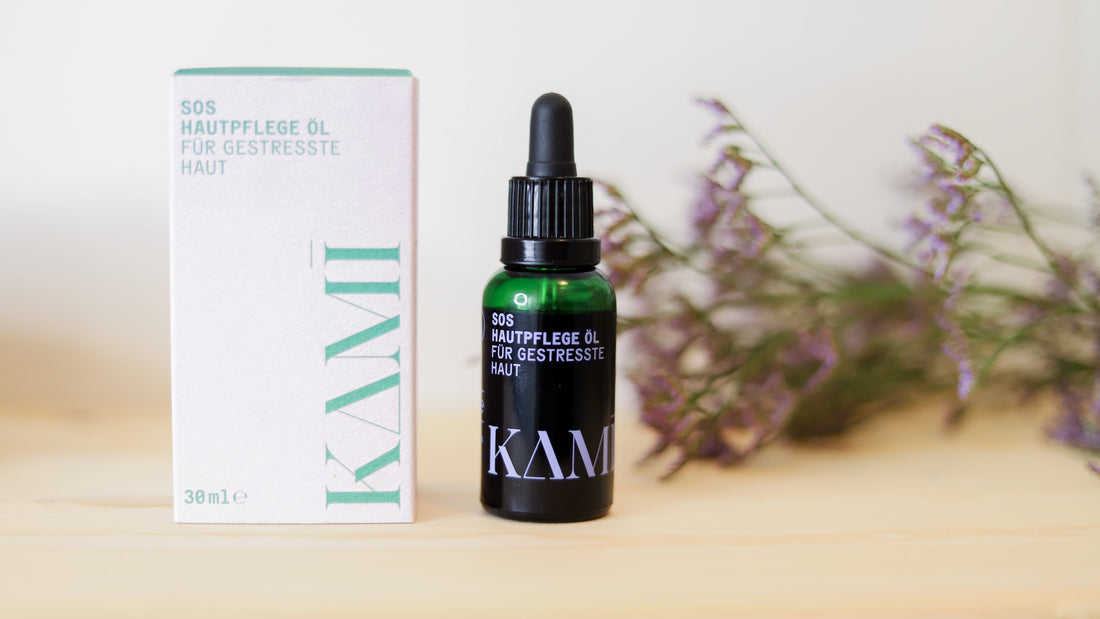
What marmot oil and KAMI skincare products can do
The advantages over evening primrose oil in the care of neurodermatitis skin Hello dads and moms, Natural oils nourish and care for the skin; they are essential for its care. Especially with neurodermatitis, also known as atopic dermatitis, which is characterized by dry, inflamed, and itchy skin, sufferers are often looking for effective care products that can relieve their symptoms. Evening primrose oil, a highly effective oil extracted from the seeds of this well-known and fragrant garden plant, is often mentioned. In this article, Dr. Kerstin Schallaböck, KAMI Skincare founder and general practitioner, explains the benefits of marmot oil – also called marmot oil – contained in many KAMI skincare products compared to evening primrose oil in the care of atopic dermatitis skin. " Because of my son's atopic dermatitis, I began searching for natural solutions. After diligent research, I came across marmot oil. Through my study of its effects, I became a huge fan. I've often spoken here about the long tradition of this oil in healing." Marmot oil: A traditional remedy with modern benefits: Marmot oil, extracted from the fat of marmots, has a long history of use in natural medicine. It is particularly rich in essential fatty acids, including linoleic acid and omega-3 fatty acids, which have anti-inflammatory properties. These fatty acids are crucial for skin health, as they help strengthen the skin barrier and prevent moisture loss. Marmot oil has therefore been shown to be particularly beneficial for the care of atopic dermatitis skin. Benefits of marmot oil: Anti-inflammatory: The fatty acids contained in marmot oil can reduce inflammation, which is particularly beneficial for skin problems such as eczema and psoriasis. Strengthening the skin barrier: Marmot oil not only inhibits inflammation but also strengthens the skin barrier—which distinguishes it from standard cortisone therapy, for example. Atopic dermatitis, in particular, is often associated with a compromised skin barrier, which leads to increased water loss and heightened sensitivity to irritants. Marmot oil supports the regeneration of the skin barrier by deeply moisturizing the skin and providing nourishing fatty acids necessary for restoring barrier function. Promotes skin regeneration: The nutrient-rich ingredients support cell regeneration, which can lead to improved skin structure and elasticity. Moisturizing: By supporting the skin barrier, marmot oil helps retain moisture in the skin and prevent dryness. Soothing the skin: The omega-3 and omega-6 fatty acids contained in marmot oil also have strong anti-inflammatory effects. This property helps reduce the inflammatory processes that lead to severe redness and itching in atopic dermatitis. Itching relief: Marmot oil can therefore reduce the itching that often leads to scratching and thus further skin damage in cases of neurodermatitis. Benefits of KAMI skincare products for atopic dermatitis: Innovation and tradition combined At KAMI skincare, we rely on a combination of traditional medicinal plants and scientifically proven oils to provide holistic skin care—especially for sensitive and problematic skin. Comparison to evening primrose oil for atopic dermatitis Evening primrose oil is often used to treat atopic dermatitis because it is rich in gamma-linolenic acid (GLA), which has anti-inflammatory properties. However, evening primrose oil alone may sometimes not be enough to effectively relieve all symptoms. Anti-inflammatory effects: While GLA in evening primrose oil has anti-inflammatory properties, marmot oil offers a broader spectrum of anti-inflammatory effects thanks to its omega-3 and omega-6 fatty acids. This can be particularly beneficial for more severe inflammation. Skin barrier and moisture: KAMI products, with their diverse ingredients including other plant-based oils, offer more comprehensive care that not only has anti-inflammatory properties but also provides intensive hydration. Evening primrose oil alone may not be able to provide the same level of hydration and strengthen the skin barrier. Versatility: In addition to anti-inflammatory properties, KAMI skincare's synergistic formulations offer a variety of antioxidants and regenerative active ingredients that evening primrose oil does not contain to the same extent. Stability and skin compatibility: KAMI skincare products are made with a blend of various oils and essential oils. These have a stabilizing and antioxidant effect, thus improving shelf life and effectiveness. Evening primrose oil, on the other hand, can oxidize quickly and thus spoil more quickly. My personal conclusion on marmot oil For the care of atopic dermatitis skin, KAMI skincare products containing marmot oil offer more benefits than evening primrose oil. Due to its broad range of fatty acids and anti-inflammatory properties, marmot oil can help soothe the skin and improve its barrier function. Our experience and patient feedback also show that KAMI can alleviate the symptoms of atopic dermatitis and support skin health. I hope this information has given you a good overview! Kind regards Your Kerstin Schallaböck
Learn more
Atopic dermatitis and allergies: what connections are known and how can atopic dermatitis attacks be avoided?
Early spring took us all by surprise. One man's joy is another man's sorrow. As soon as it gets warm, the sneezing starts all over the place. For people with atopic dermatitis, the pollen season in spring/early summer is, along with autumn and its sudden change in weather, the most challenging time of year. The reason for this is that one of the most common complications in atopic dermatitis patients is high sensitivity to allergies, which can further worsen the condition. Therefore, KAMI founder Dr. Kerstin Schallaböck would like to explain the connection between allergies and atopic dermatitis today. "Many studies have shown that people with atopic dermatitis have an increased risk of allergies. This connection between allergies and atopic dermatitis is a medically complex topic that encompasses many facets of immunology and dermatology. Both atopic dermatitis and allergies also have a genetic component. As you may already know, allergies are the body's immune reactions to normally harmless substances such as pollen, dust mites, or certain foods. These reactions are triggered by an activation of the immune system, particularly by the production of immunoglobulin E (IgE) antibodies. This immune response is disrupted in people with atopic dermatitis, leading to an excessive inflammatory reaction in the skin. This inflammatory reaction is mediated by certain immune cells, particularly T helper cells and mast cells. ( See also our blog article .) ) The impaired skin barrier in atopic dermatitis patients makes it easier for allergens to penetrate the skin. This additional factor can also lead to an enhanced immune response. In many children, atopic dermatitis develops very early, and later, allergic diseases such as asthma or rhinitis often develop. This sequence is called the "atopic march" and suggests that atopic dermatitis and allergies may share common underlying mechanisms. Tips for preventing atopic dermatitis flare-ups: Everyone has specific trigger allergens : It's important to identify these. You can have an allergy test for this. However, it's more reliable to keep a detailed "skin diary" in which you record observations such as weather, stress, and diet. Afterward, the patient should, of course, try to avoid contact with these allergens as much as possible. For example, special mattress covers can be used to reduce dust mite allergens, or the diet can be adjusted to avoid previously identified food allergens. Do everything for a healthy skin barrier : An intact skin barrier is crucial for controlling atopic dermatitis. Use only soap-free, mild cleansers like the moisturizing KAMI Cleansing Fluid and oils or creams that build up the skin barrier and subsequently prevent moisture loss. Avoid hot baths or showers, as these can dry out the skin. Be careful with clothing and bedding : High-quality, loose-fitting, breathable clothing made from natural materials like cotton or silk can minimize skin irritation. Also pay attention to how the products were dyed: Cheap products from the Far East, especially dark and black colors, may be made with toxic dyes. Always wash clothes before wearing them for the first time and always use hypoallergenic, fragrance-free detergent! Regular washing removes environmental allergens from clothing; do not use fabric softeners or laundry perfumes. Hypoallergenic bedding is also available. “Chill out”: Stress can trigger or worsen atopic dermatitis flare-ups. Even with children, simple meditation and breathing techniques can help reduce stress. Find a doctor who listens to you and whom you trust : Regular monitoring and adjusting your treatment strategy is important to prevent flare-ups of atopic dermatitis. It's often reported that helpful remedies lose their effectiveness after a while. Then you need to find a new remedy. Different remedies can help everyone, and each treatment must be tailored to the individual. I hope these tips have made you a little wiser and helped you with your suffering. Kind regards Your Kerstin
Learn more