


KAMI SKINCARE BLOG


Triggers for atopic dermatitis
Atopic dermatitis, also neurodermatitis, is an allergic inflammation of the skin, where the allergen is the skin itself; it is therefore an autoimmune reaction. The skin reacts excessively to minor stimuli, and the combination with other autoimmune symptoms, such as allergic asthma, is very common. Which of these "minor stimuli," which have no consequences for other, less sensitive people, should people with neurodermatitis or parents of a child with neurodermatitis pay attention to, tells us Dr. Kerstin Schallaböck, general practitioner, mother of four, and founder of KAMI skincare. "People who are prone to neurodermatitis almost always show high sensitivity. This applies to emotional stimuli as well as physical ones. This can have genetic roots – children of people who themselves were prone to neurodermatitis as children are more often affected –, but high sensitivity and irritability often also develop in children without a hereditary predisposition." This sensitivity must be recognized and taken into account in order to break the cycle of skin inflammation, itching, and the use of cortisone. Stimuli should be avoided, and skin function strengthened. Accepting one's own sensitivity and exchanging experiences with other affected people can also lead to considerable relief, even psychologically. What are the most common triggers for flare-ups? Change of seasons: Rising and falling temperatures and humidity require our skin to adapt. This costs it energy and weakens it, leading to dryness, and the skin temporarily loses its barrier protection. WHAT TO DO: Here, regular skin care with emollient washing products and care products can strengthen the skin barrier and prevent inflammation. Stress: hypersensitive people can cope worse with pressure. They tend to be perfectionists and want to please everyone. Toddlers are also affected when they are overwhelmed by stimuli and do not get quiet breaks to switch off. Women, in turn, try to meet all demands in their multitasking everyday lives and be the super partner/employee/mom/friend on every front. This is not feasible, and the body reveals the limits that one has not set oneself. WHAT TO DO AS PARENTS: look closely and recognize when the child needs quiet time and should not be entertained. Allow time for dreaming and for boredom. WHAT TO DO AS AN ADULT: Recognize and set your own limits. If you accept your own resilience and sensitivity and learn to deal with them, you will avoid stressful situations. Food: High-histamine foods such as the first strawberries of the season can lead to skin reactions. If there is also a minor infection lurking or school stress is particularly intense, these -for themselves minor- stimuli multiply and can throw the skin into turmoil. WHAT TO DO: Especially during times of high infection rates, deal with stress particularly consciously and pay attention to nutrition. So, it is better to skip a day of school if everyone is currently sick and stick to well-tolerated foods. These are rarely the real vitamin bombs – vegetables and fruit often trigger allergies –, but rather the foods that are known as recovery food. Infections: After Covid, the flu, and vaccinations, the body's defense system is revved up; the immune system is, so to speak, on high alert. Here too, a minor stimulus can develop into a trigger for massive skin reactions. WHAT TO DO: be particularly mindful, avoid stimuli, ensure quiet. Environmental factors: Even clothing that is exposed to synthetics and questionable dyes or chemicals during long transport, environmental toxins lurking in the air and furniture, can trigger stimuli and often act as a cross-allergy with other sensitivities, triggering skin reactions. WHAT TO DO: Shop consciously, buy less, pay attention to quality, and acquire good, high-quality clothing - even used - in exchange markets. Pay attention to European products, because the manufacturing regulations here are stricter than elsewhere. We are happy to recommend the label tetoi-vienna, hypoallergenic toys, and children's clothing specially developed for children with neurodermatitis, made from high-quality, cooling cotton. I hope to have helped you a little with this information, and I wish you and your skin all the best. Yours Kerstin
Learn more
Food allergies and atopic dermatitis
Dear KAMI skincare friends, Many of my patients who come to me during our atopic dermatitis study suffer not only from atopic dermatitis but also from food allergies. Therefore, I wanted to summarize the connection, as far as research has shown. Atopic dermatitis is one of the most common chronic inflammatory skin diseases and affects millions of people worldwide. If you're affected, you're probably familiar with the painful flare-ups, itching, and dry, irritated skin. But did you know that food allergies can play a major role in the development and worsening of atopic dermatitis? Current medical studies are increasingly demonstrating how closely the skin and gut are connected. I'll summarize these and explain how you can protect your skin with targeted skin care and nutrition. The scientific connection between atopic dermatitis and food allergies Studies show that up to 33% of people with atopic dermatitis also suffer from food allergies. This connection is particularly pronounced in infants and young children. Over half of these young patients are sensitive to certain foods. A damaged skin barrier, as is typical in atopic dermatitis, can facilitate the penetration of allergens and promote sensitization. This means that the body comes into contact with allergens through the skin and subsequently recognizes them as harmful in the intestines. A study published in the Journal of Allergy and Clinical Immunology in 2023 shows that the skin's barrier function is crucial for preventing allergic reactions. If the skin barrier is compromised, environmental factors and food allergens can more easily penetrate the body and trigger inflammation. Which foods can worsen atopic dermatitis? Every person is different, but some foods are particularly suspected of worsening atopic dermatitis symptoms. The most common triggers include: • Dairy products • Eggs • Wheat • Soy • Nuts • Fish and seafood Not everyone with atopic dermatitis reacts to the same foods, so keeping a food diary can help identify personal triggers. An allergy test with a doctor can provide additional clarity. There are also nutritionists who specialize in advising atopic dermatitis patients. The right skin care as a protective shield against allergens Since a damaged skin barrier serves as a gateway for allergens, proper skin care is essential. This is where our natural skincare products from KAMI skincare come into play. I originally developed them for my son, who also suffered from atopic dermatitis. I have long relied on home remedies and the power of nature in my practice. These are also effective in our KAMI products. The KAMI skincare ingredients include: • Marmot oil: It contains natural corticosteroids that reduce inflammation without drying out the skin. • High-quality vegetable oils rich in linoleic and linolenic acids, which strengthen the skin barrier and provide moisture. • Soothing plant extracts such as lavender, they have anti-inflammatory effects and reduce itching. By using our specially developed skin care products daily, you can support your skin's natural protective function and reduce the risk of allergens entering the body. Practical tips for everyday life: How to protect your skin and body In addition to proper skin care, there are many other measures you can take to protect your skin from allergens and inflammation. Here are some everyday tips: 1. Adjust your diet • Keep a food diary to identify individual triggers. • Focus on an anti-inflammatory diet with plenty of fresh fruit, vegetables, omega-3 fatty acids (e.g. from linseed oil) and probiotics to support intestinal health. • Avoid highly processed foods, sugar and alcohol, as they can promote inflammation. 2. Gently care for your skin • Only use mild, perfume-free and moisturising cleaning products such as KAMI washing fluid. • Apply a moisturizing cream immediately after showering to strengthen the skin barrier. • Avoid long, hot baths as they can further dry out the skin. 3. Minimize allergens in everyday life • Change bed linens regularly and use dust mite-proof covers to reduce dust allergens. • Wear breathable cotton clothing and avoid synthetic fabrics. • Ventilate regularly to improve air quality and prevent mold growth. 4. Don't forget stress management • Stress is a major trigger for atopic dermatitis flare-ups. Use relaxation techniques such as meditation, yoga, or breathing exercises. • Sufficient sleep supports skin regeneration. The connection between food allergies and atopic dermatitis is now well-documented. A good nutritionist specializing in atopic dermatitis will certainly be able to help you put together a diet plan if it makes sense to you. Complemented by a conscious lifestyle that combines nutrition, skin care, and stress reduction, you can better manage your atopic dermatitis in the long term. Your body and your skin will thank you! All love Your Kerstin
Learn more
Correct clothing for atopic dermatitis
Dear KAMI skincare friends, Spring brings mild temperatures and blooming landscapes. Choosing the right clothes can be a challenge, however: in the morning, temperatures are still down to down jacket levels, while at noon the sun tempts you to wear shorts. This can be particularly challenging for people, especially children, with eczema and other skin problems. Choosing the right clothes plays a crucial role in minimizing skin irritation and improving comfort. In this article, we’ll give you a few tips on what to look for when choosing clothes in spring, which materials are suitable, and how you can best protect your skin. The Importance of Choosing the Right Clothes When You Have Skin Problems Our skin is the body’s largest organ and acts as a protective barrier against external influences. In skin conditions such as eczema, this barrier function is often impaired, making the skin more sensitive and more likely to react quickly to irritants. Unsuitable clothing can worsen itching, redness, and inflammation. It is therefore essential to choose clothes that are gentle on the skin and help protect it. Which fabrics are gentle on the skin? Choosing the right material is crucial for your skin’s comfort. Suitable materials: • Cotton: This natural material is breathable and highly absorbent. It is soft on the skin and helps minimize irritation. Also pay attention to the dyes used! Dark items made in low-wage countries may often be dyed with dyes that can cause allergies or contain heavy metals.• Linen: Smooth linen is very comfortable and gentle on the skin. It is breathable and ideal for warmer days.• Smooth silk: Silk is lightweight, has a cooling effect, and feels comfortable on the skin.• Viscose: Another material that feels comfortable, airy, and loose on the skin. However, the manufacturing method matters. TENCEL™ Lyocell, for example, is particularly skin-friendly and free from harmful substances. Less suitable materials: • Wool: Regardless of where it comes from, wool can irritate the skin and cause itching because of its rough surface.• Synthetic fabrics (e.g. polyester, polyamide): These materials are often not breathable, encourage sweating, and can increase skin irritation. Fit and finish: What should you look for? In addition to the material, the fit and finish of your clothes also affect how your skin feels.• Loose fit: Widely cut clothes reduce friction on the skin and allow for better air circulation, helping to prevent skin irritation.• Avoid scratchy seams and labels: It is advisable to remove labels and choose flat seams made with soft natural thread. One trick to prevent seams from rubbing is to wear the innermost layer inside out, with the seams on the outside!• Nickel-free accessories: Metal parts such as zippers or buttons often contain nickel, which can cause allergies in people with sensitive skin. Look for nickel-free alternatives. Layering: The onion principle in spring Temperatures in spring are often changeable. The onion principle—wearing several layers of clothing—makes it easier to adapt to temperature changes. Start with a base layer made from skin-friendly materials such as cotton or silk, and add more layers as needed. This way, you can remove a layer when the temperature rises, helping to prevent overheating and sweating, which can irritate the skin.Tip for parents: Make sure your child’s school bag or backpack has enough space to store their jacket at lunchtime. This will encourage them to take their removed clothes with them again. Care instructions: How should clothes be washed? The way you care for your clothes can also affect your skin’s health.• Always wash clothes before wearing them for the first time! New clothes may contain chemical residues that protect them from moisture and/or insects during transport. Washing them thoroughly before wearing them for the first time removes these residues and reduces the risk of skin irritation.• Use mild detergents without fragrances or dyes to minimize skin irritation.• Avoid fabric softeners! Fabric softeners can leave residues that irritate the skin. If you want your laundry to smell nice, put a scented sachet with natural essential oils in the wardrobe instead. If you want it to be softer, add a small amount of vinegar to the fabric softener compartment. Ironing can also help make clothes smoother.• Rinse thoroughly: When washing by hand, make sure all detergent residues are completely removed from the clothes by adding an extra rinse cycle. Special clothing for people with eczema Some manufacturers offer special clothing for people with eczema. These garments are often seamless, made from skin-friendly materials, and in some cases contain antibacterial silver threads that can help prevent inflammation. One example of such products is the “DermaSilk” collection, which was developed for sensitive skin. Various suppliers offer suitable products for babies and children, such as our bodies with an integrated cooling function, nightwear and pajamas, or the particularly skin-friendly TENCEL™ clothing from tetoi-vienna. Read more on their blog about why it provides noticeable relief. How to make children like skin-friendly clothes Children can often react sensitively to new clothes or refuse to wear certain fabrics. Here are a few tips to win them over playfully:• Let your child help choose: Give your child a choice between different skin-friendly garments. If they feel they have a say, they are more likely to accept them.• Make it a game: Come up with stories in which “superpower clothing” helps them feel better or protects their skin.• Focus on their favorite colors and motifs: There are now many skin-friendly garments in child-friendly designs. Clothes in your child’s favorite colors or with their favorite characters can help win them over.• Be a role model: If you wear skin-friendly clothes yourself and speak positively about them, your child is more likely to accept them.• Emphasize comfort: Explain to your child that the clothes are soft, do not itch, and will make them feel more comfortable.• Be patient: Some children need time to get used to new materials. Do not force them, but offer gentle alternatives. Further tips for everyday life • Sun protection: Remember to start using sunscreen on your face now.• Hydration: Keep your skin supple with regular natural care and prevent dryness. KAMI skincare products were specially developed to keep sensitive, itch-prone skin moisturized and support its barrier function. We recommend trying the KAMI Eczema Starter Kit.• Care: If the skin is well moisturized before getting dressed, it will itch less. If your children do not like having cream applied, add a few drops of KAMI SOS Care Oil to the bathwater, and their skin will feel soft and supple without having to apply cream. These tips will help you enjoy spring without your skin or your child’s skin suffering unnecessarily. Look for high-quality materials and gentle care so that you can both feel completely comfortable! With love, Kerstin You can find more tips for parents of babies or children with eczema here.
Learn more
Skin care for atopic dermatitis with KAMI skincare
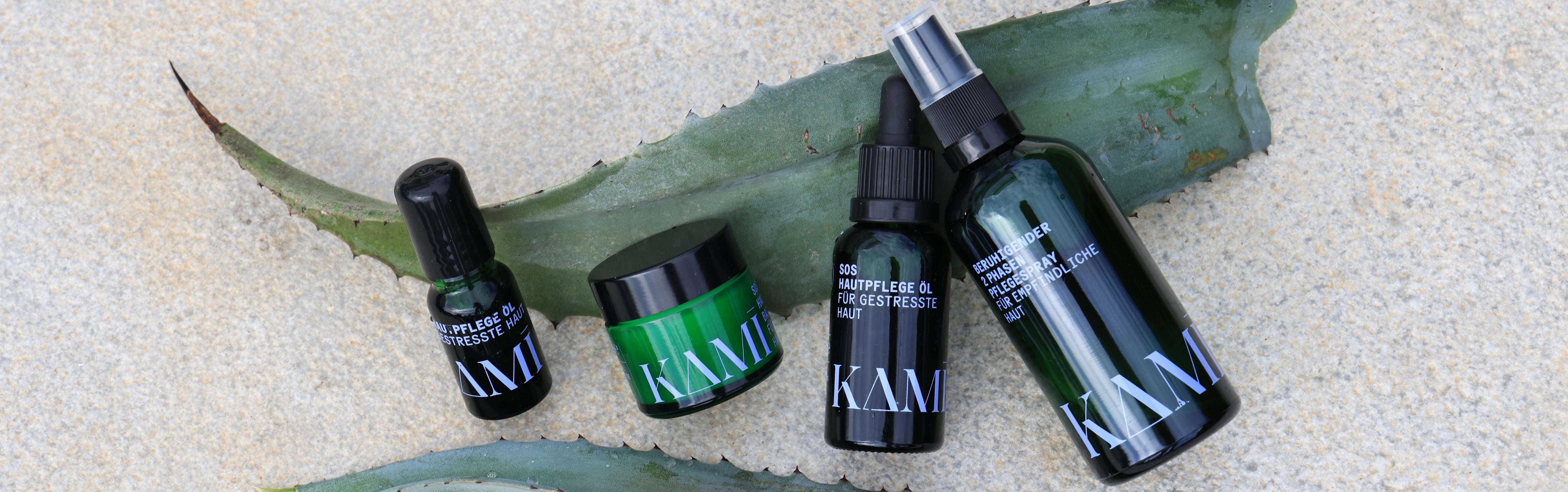
Hello, I'm Dr. Kerstin Schallaböck from KAMI skincare. If you're new to our blog, welcome! I write these articles to share my knowledge about skin, children, and natural skincare with you. Atopic dermatitis is more than just dry skin. It's a constant balancing act between itching, inflammation, and the desire to feel good in your own skin again. If you've tried numerous creams and still feel little relief, perhaps it's time to try something new with KAMI: a holistic, natural care product that strengthens your skin barrier, soothes your skin, and is tailored specifically to you. With KAMI skincare, we want to show you a gentle way to sustainably care for your skin with atopic dermatitis – without any harsh ingredients or empty promises. Atopic dermatitis on the face – what is actually happening? In atopic dermatitis, the skin barrier is disrupted – as numerous scientific studies have shown. The skin loses moisture faster than healthy skin, is less able to ward off irritants, and often reacts hypersensitively. In addition, stress, diet, and environmental factors can exacerbate flare-ups. This means: Your skin needs above all Calming , Protection and Moisture . Not through heavy, sealing creams, but through targeted care that works deep down and is kind to the skin. That’s exactly what we offer you with KAMI skincare. Why KAMI? The power of natural ingredients Our philosophy is clear: Your skin deserves only the best from nature, especially when it comes to atopic eczema. That's why our products contain no synthetic fragrances, parabens, or mineral oils – instead, they contain finely balanced, natural ingredients with proven effectiveness for sensitive and atopic dermatitis-prone skin. Here is a little insight into our powerful helpers: Marmot oil: Contains natural corticosteroids in well-tolerated concentrations and in many varieties. Has a powerful anti-inflammatory effect. Studies show that it can provide noticeable relief from itchy, inflamed skin. Grape seed oil: Rich in lecithin, which ensures the oil's rapid absorption, while also transporting other active ingredients. With a high content of linoleic acid, it improves cell renewal and cell protection. Calendula extract: Known for its soothing, wound-healing properties – ideal for irritated, sensitive skin. Rice germ oil: Contains gamma oryzanol, which has powerful antioxidant properties and soothes sensitive skin. It locks in moisture and relieves itching. Olive oil: It is very similar to skin sebum and has a regenerating and circulation-stimulating effect. Tanais Annuelle: Blue chamomile contains camazulene, which inhibits free radicals, strengthens the immune system, and relieves itching. Its scent has a stress-reducing effect. Lavender oil: It has anti-inflammatory and antiviral effects, and its scent is stress-reducing and harmonizing. Your atopic dermatitis care routine with KAMI – step by step Gentle cleansing without drying out Use a gentle cleanser that doesn't strip your skin of grease. Our KAMI washing fluid It's pH-neutral and highly moisturizing with peach kernel oil. It can be used on the face and body, in the sink, in the bathtub, and while showering. It removes dirt, sweat, and makeup without irritating your skin. Tip: Avoid hot water – lukewarm water helps prevent itching from becoming unnecessarily worse. Targeted moisture and care After cleaning, it's time to care for your skin: Our SOS Skin Care Oil and our SOS Skin Care Balm provide your skin with valuable plant substances, soothe irritations and help to regenerate the skin barrier step by step. Particularly popular with atopic dermatitis customers: → The KAMI SOS skin care oil – our most intensive product, ideal for redness, itching, and acute flare-ups. → The KAMI SOS skin care balm – combines the effect of SOS skin care oil With a cozy texture. Contains shea butter and forms a protective but light layer over the skin without stickiness. If your skin is very dry and itchy, apply the balm over the oil. However, it can also be used on its own, e.g., as a cold protection cream in winter, for sore noses or baby bottoms. →The KAMI 2-Phase Spray With organic aloe vera, it combines hydration with effective care. Ideal for dry skin and especially soothing after sun exposure. Stay tuned – and observe A new skincare routine takes time to take full effect. Give your skin at least 3–4 weeks to adjust. Many of our clients report noticing initial improvements after just a few days—especially less tightness and itching. Our community says: “Finally, my skin feels like mine again!” We could tell you a lot – but the voices of our community often say more than a thousand words: “I never thought natural cosmetics could make such a difference—I haven’t had such calm skin in years.” – Lisa, 36 "The oil is/was a lifesaver for our son; he hardly needs any cortisone anymore. Thank you so much!!!" Andrea "My son has neurodermatitis. We use the SOS Skin Care Balm on the inside of my arms – the itching is almost gone!” – Julia, 41 “I use the SOS skin care oil Twice a day – no more tension. I'm so grateful!" – Klaus, 52 Feedback like this motivates us to keep going every day. Because we know that genuine care doesn't have to be loud—it has to be effective, compassionate, and honest. Now what? How to get started with KAMI ✨ Check out our Recommendations for avoiding relapses ✨ Check out our information on social media to! 👉 You don't know which product is right for you? Write to us directly: info@kami-skincare.com (This may open a program to send an email to the recipient "info@kami-skincare.com") – we will advise you personally. Final tip: Care is more… Your skin care doesn't start in the bathroom. Your daily routine, your stress level, your diet—all of these things play a role. Try to take time for yourself regularly. Even a 5-minute ritual with your favorite skincare product can work wonders—for your skin and your well-being. With KAMI you have a reliable, natural partner at your side – on the way to healthy, strong skin. All love, Kerstin from KAMI skincare
Learn more