


Is last year's sunscreen still safe? How can I get enough vitamin D without endangering my skin? What should I do if I get too much sun?
Just in time for the hot season, we're asking ourselves many questions about perfect protection and proper skin care. That's why we've integrated lots of exciting information from the Gesundheitscode newsletter into our blog post for you today.
"No sunburn is harmless, the skin forgets nothing - that's why it's important to start UV protection as early as possible." (Bernhard Arenz, Head of Prevention BG Bau)
The Skin: The Showcase of Our Health
There is hardly any other part of the body that we pay so much attention to across all age groups as our skin. From cradle cap in babies, neurodermatitis in children, acne in adolescence, to dry skin, wrinkles, or age spots - throughout our lives, we are concerned with our outer, visible shell.
Our skin is far more than just that: It protects us daily from environmental factors, germs - and from UV radiation. Since UV rays promote oxidative stress, break down collagen, and ultimately contribute to wrinkles, pigment spots, and skin cancer, the skin needs our special support in summer.
We have therefore collected your most important questions about skin care in summer:
1. Is last year's sunscreen harmful?
If you still have tubes from your last beach holiday at home, you should take a look at the ingredients. Studies show that the chemical UV filter octocrylene can form benzophenone over time - a substance that is critically discussed in terms of health. Older or long-stored sunscreens, in particular, can contain higher amounts of it. Even if the health relevance of the concentrations measured so far has not yet been conclusively clarified, we advise caution.
In addition, chemical filters react with oxygen and break down, which drastically reduces the protective effect. And germs can form in old creams, as the preservatives no longer work over time.
2. Are chemical or mechanical UV filters better?
Basically, both filters are equally safe and effective if enough is applied. Every cosmetic product manufactured and sold in Europe must undergo a thorough examination and is safe according to the state of science. If you want to avoid certain chemical UV filters because you have particularly sensitive skin or even neurodermatitis, it is best to use mineral sunscreens with zinc oxide or titanium dioxide. Regardless of the filter, consistent sun protection remains the most important measure for preventing skin cancer and light-induced skin aging.
3. How much sunscreen do I need to apply and how often?
The rule of thumb for adults is: two finger lengths for each body area, i.e., for 1) face and neck, 2) each arm and leg, 3) stomach and chest, and 4) back. This is approximately 3-4 tablespoons for an adult.
When sweating and swimming, reapplication is, of course, necessary. However, it is important that reapplication does not extend the time you are protected.
4. How do I form vitamin D healthily and what do I need to consider?
Vitamin D is strictly speaking not a classic vitamin, but a prohormone of central importance for our bones, muscles, immune system, and numerous metabolic processes. Most of it is formed directly in our skin with the help of UVB radiation. Here's how you can safely support your levels:
- Use daylight regularly: Go outdoors daily if possible, preferably early in the morning. This not only supports vitamin D formation but also your natural day-night rhythm.
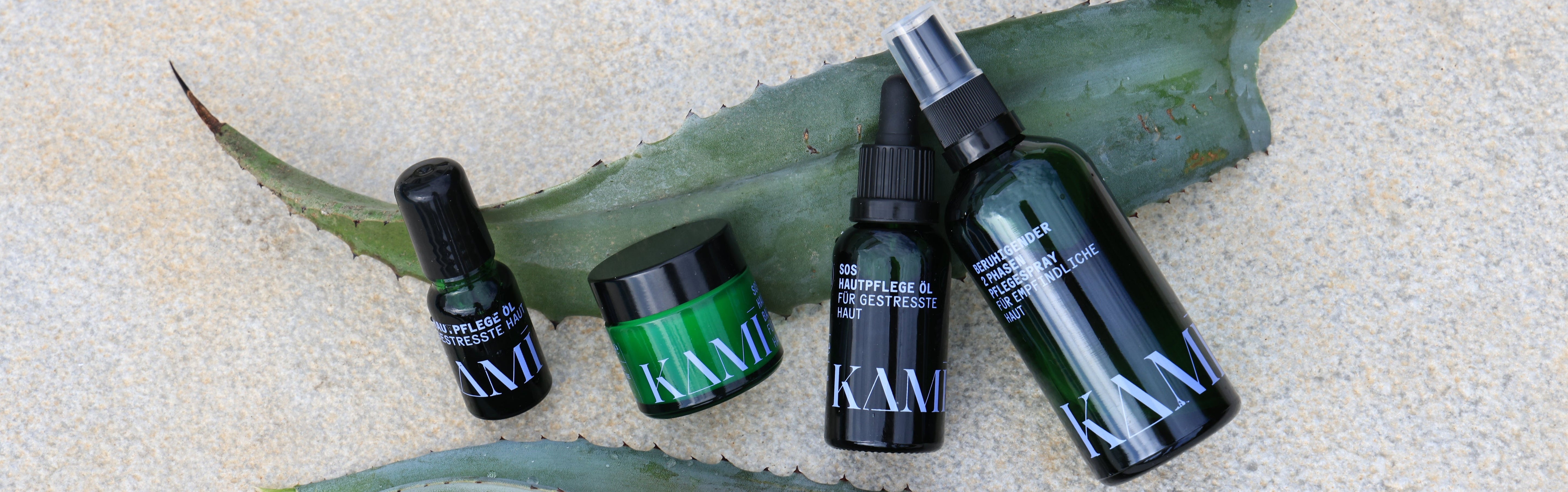
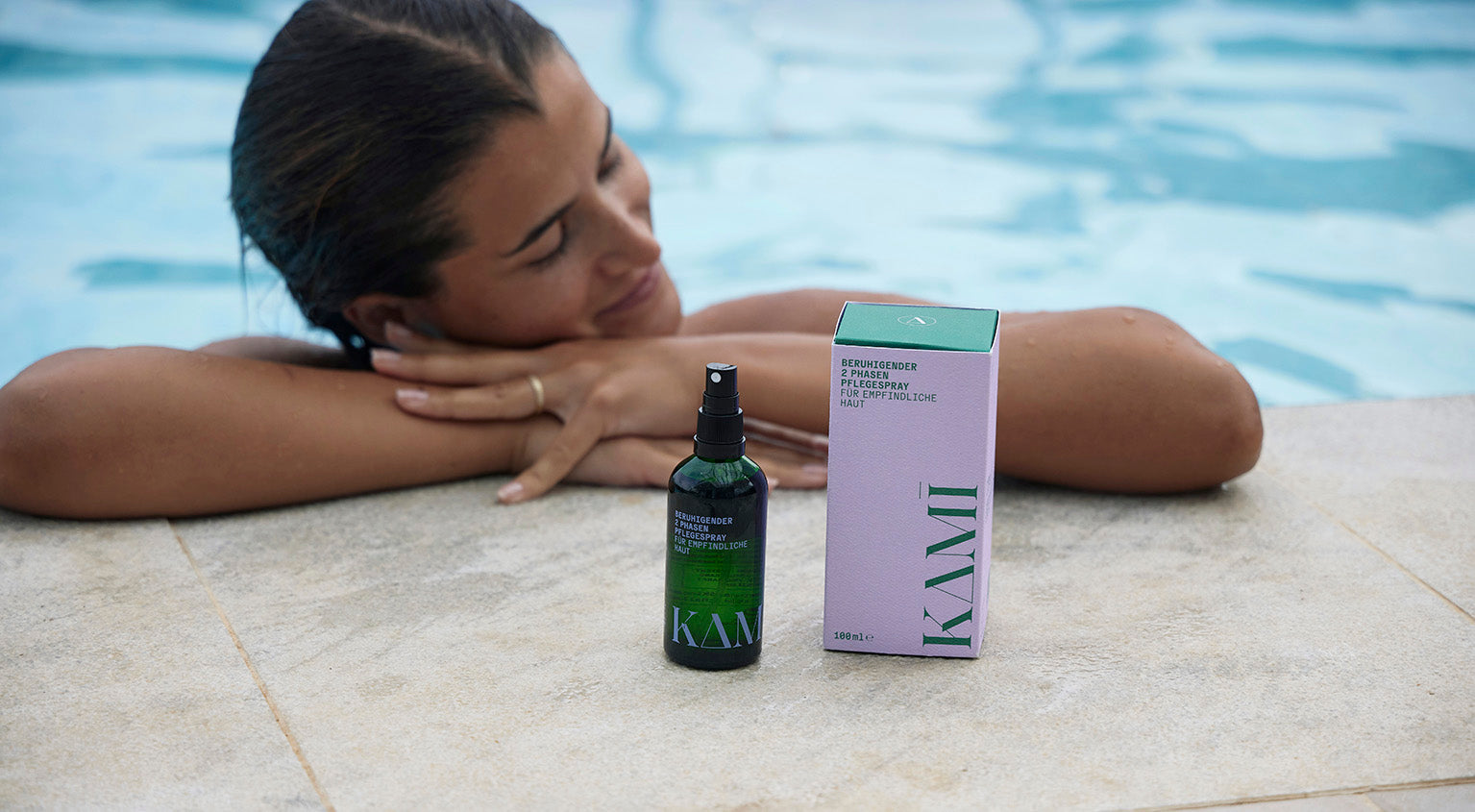
- Sun in moderation: Use short (!) sun exposures without the risk of sunburn to stimulate the body's own production. For longer stays outdoors, always remember UV protection. After sunbathing, the KAMI skincare 2-phase care spray helps to cool and soothe the skin and restore lost moisture.
- Check values & use supplements consciously: Did you know that people react differently to vitamin D preparations? In so-called "low" or "non-responders", the level hardly rises despite intake (often influenced by genetics or gut health). Therefore, it is best to have your levels checked by a doctor instead of blindly taking high-dose preparations.
5. Is aluminum in antiperspirants really harmful?
Basically, one has to distinguish between antiperspirants and deodorants. The former prevent sweating by blocking the sweat glands and usually contain ACH - an aluminum salt. The latter prevent the decomposition of sweat on the skin and thus bad odor and usually contain alcohol and fragrances.
From a dermatological point of view, it is therefore worthwhile to pay attention not only to aluminum but to the ingredients as a whole. Alcohol can dry out the skin and, especially after shaving, lead to irritation - as can fragrances in conjunction with UV radiation.
The good news: Newer studies show that probably significantly less aluminum is absorbed through the skin than long assumed. Nevertheless, there are also products here that are less aggressive and, for example, work with magnesium salts or perlite.
In summary, we recommend - especially for sensitive skin - products with as few irritants as possible and without unnecessary fragrances. Certain fragrances such as Cashmeran or Galaxolid are under discussion because they can accumulate in the body (Lilial has already been banned in the EU).
Our application tips for deodorants & antiperspirants:
- Apply in the evening: Apply antiperspirants after evening body care. Sweat production is reduced overnight anyway, so the skin can absorb the active ingredients better.
- Dry skin: For gentle and effective action, the skin should be completely dry and free of residues before application.
- Caution after shaving: Freshly shaved skin shows micro-injuries. Direct application could lead to irritation or increase the absorption of unwanted substances.
6. Got too much sun? What to do?
If you have caught too much sun, two things are important:
1) Cooling - because your skin has a burn. Cold compresses, loose, airy clothing, and a cool environment are recommended.
2) Moisturize and soothe the skin. Products that provide a lot of moisture to the skin and contain, for example, aloe vera can help here. Skin-soothing ingredients such as panthenol or azulene can improve itching and redness. For example, the KAMI 2-phase care spray is ideal here, it contains organic aloe vera and natural skin-identical oils that provide lasting relief.
The Gesundheitscode: The holistic newsletter that keeps you healthy. Every week, exciting topics from experts on medicine, science, and nutrition directly to your inbox for free! Sign up now: https://gesundheitscode.de/